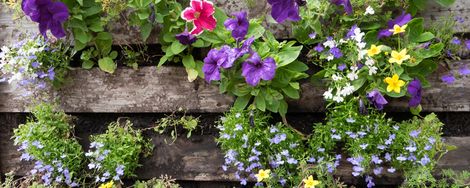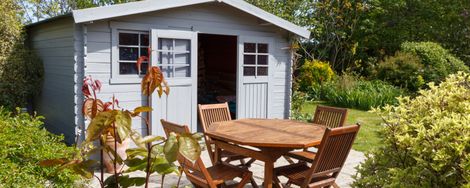
Environmental consciousness and sustainability have made significant headway in recent years. Many people are looking for ways to reduce their ecological footprint, and the best place to start is your garden.
What is an Eco-friendly Garden?
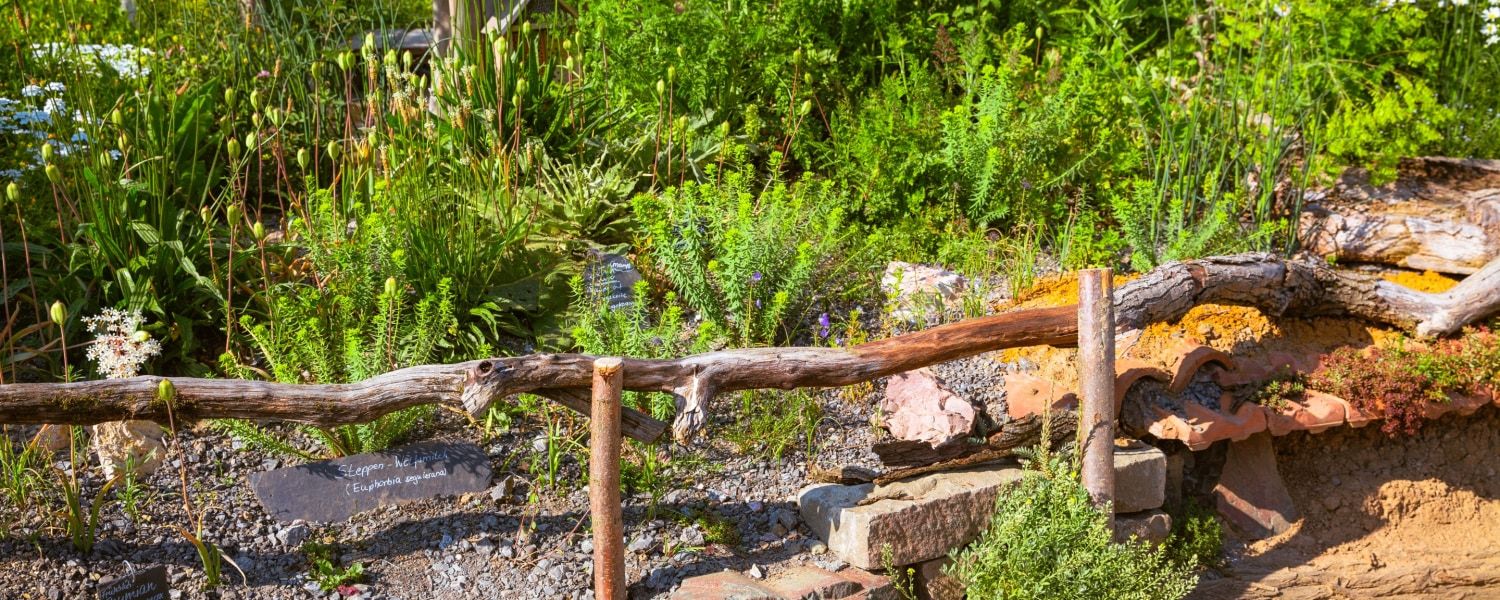
An eco-friendly garden is a garden that doesn’t need to be revamped every year. It is a place where plants and animals can live in harmony and provide rich biodiversity. Making your garden eco-friendly will do little against climate change, air pollution, and dehydration, but every little bit helps. If more and more people do this, it certainly contributes to a healthier living environment for people and animals.
- The greener, the better.
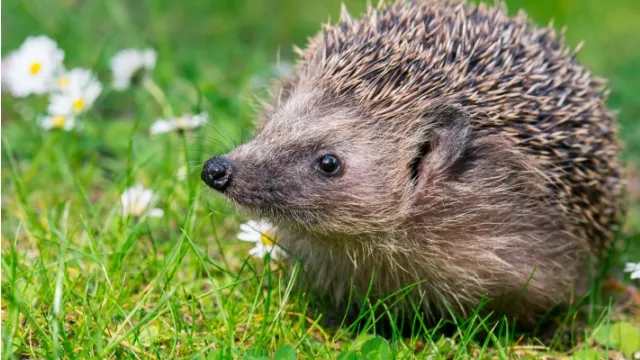
The greener your garden, the better for the environment. Trees and plants also provide natural shade and cooling — unlike tiles that retain heat. And rainwater can flow out better in a green garden than in a completely paved one. Besides, a green garden is good for biodiversity: animals, birds, and insects benefit from it, and you benefit from their presence. Birds and hedgehogs eat pests such as slugs, ladybugs clear up aphids for you, and bees help pollinate plants.
An eco-friendly garden is at least 60 percent green. For the paved parts, it’s best to opt for ‘semi-hardening’ such as permeable bricks or a patio with wide joints. Gravel and tree bark are good alternatives for tiled paths.
- Choose native plants and trees.
Planting native species in your garden is a simple but effective way to support local biodiversity. Native plants are adapted to the local climate and soil conditions, require less maintenance and water than exotic species, and are less prone to diseases and pests. They also provide a food source and habitat for insects and birds.
- Go organic
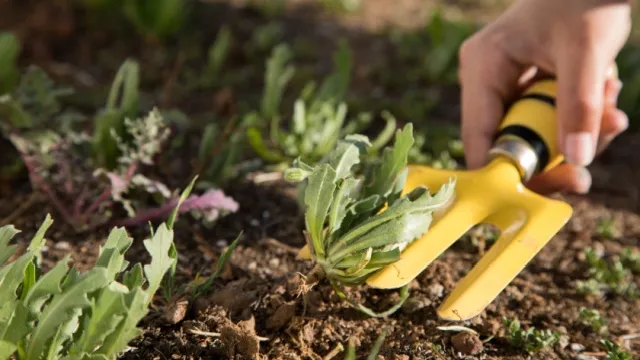
Chemical pesticides and fertilisers contain poison. Therefore, it is always better for the environment to choose prevention or mechanical control. Pull weeds instead of spraying. There are all kinds of tools that make this work easier. And some types of weeds simply belong in a natural garden. Use compost to enrich the soil and employ natural methods for pest control, such as attracting beneficial insects or using plants that repel pests.
- Promote biodiversity
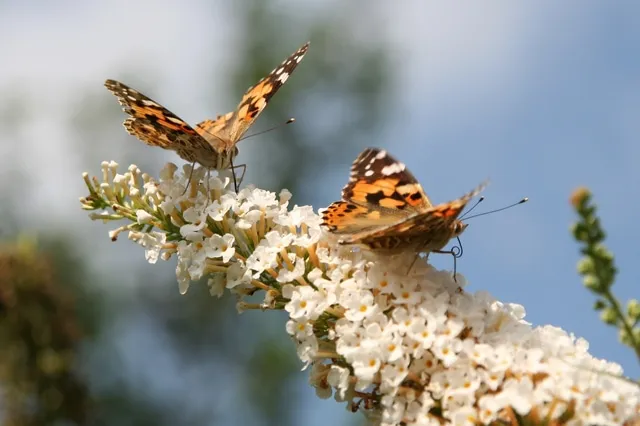
Biodiversity is crucial for a healthy ecosystem. You can increase biodiversity in your garden by planting a wide variety of species, hanging bird boxes, and placing insect hotels. By attracting a diversity of life forms, you help build a resilient ecosystem in your garden. Read our tips for a bird-friendly garden.
- Manage Water Consumption
Water is a valuable resource. And it’s actually absurd that we use purified tap water to sprinkle plants and the lawn. In a green garden, you will be less likely to suffer from drought, but you can further reduce water consumption by collecting rainwater in a water butt and using it for irrigation. Drip irrigation is also a more efficient way to water.
- Opt for Hedges
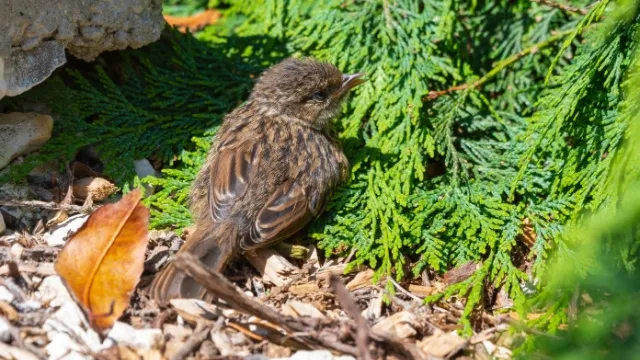
Hedges are the most eco-friendly boundary for your garden. A green hedge attracts wildlife and purifies the air. Boundaries like a green fence or a willow screen are also preferable to garden walls and fences.