Birds in your garden are not only a pleasure to watch and listen to. They are also natural allies in the fight against harmful insects. If your garden provides birds with safety, food, and a place to breed, they will be happy to come and live there. Read here what a bird-friendly garden looks like.
Few tiles and lots of green
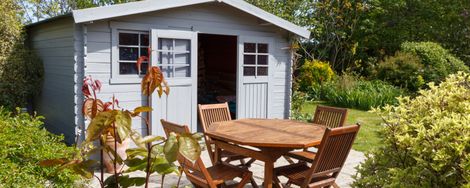
Tiled terraces have nothing to offer birds. On the other hand, a lawn and plants provide food such as worms, insects, and berries. For paths, gravel or tree bark is more attractive than tiles from a bird’s eye view. ‘Make it green’ also applies to walls and fences. When you let these inhospitable elements grow with climbing plants, you do all kinds of birds a great favor. Good climbing plants include clematis, hops, ivy, and winter jasmine. And a hedge partition immediately makes your garden much more attractive to birds than a wall or fence.
Plants that attract birds
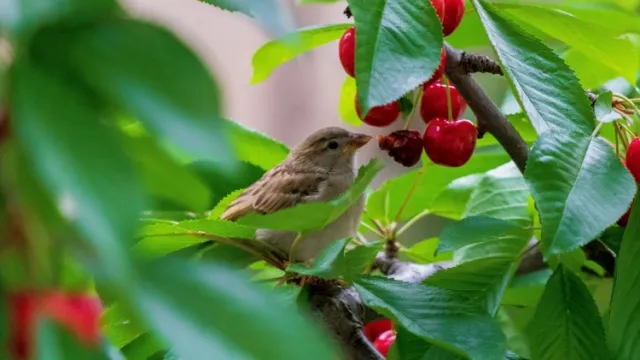
Shrubs, trees, and other plants can attract birds for several reasons, for example, the berries and fruits or the insects that live on these plants. In addition to food, plants also provide security. Birds that nest in bushes often prefer thorny species, which offer protection from predators such as cats and birds of prey.
A list of plants for a bird-friendly garden:
Herbs: nettle, teasel, royal herb, tansy, yarrow, and angelica root.
Flowering plants: common ivy, hops, Virginia creeper, foxglove, tansy, wild marjoram, teasel, common parsnip, field sage, goldenrod, larkspur, and garlic-without-garlic.
Hedges: blackberry, mountain ash, guelder rose, wild cardinal’s hat, holly, hawthorn, elderberry, red sourwood, black alder, and common ivy.
Trees and shrubs: hawthorn, blackthorn, cherry, hazel, dog rose, red dogwood, pedunculate oak, sessile oak, guelder rose, elderberry, mountain ash, privet, and white willow.
Level differences
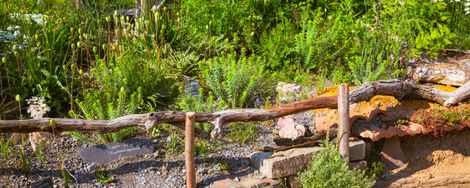
Birds want to be able to seek protection from birds of prey and other threats everywhere. They find this in a garden where there are transitions from low to higher plants and from shrubs to trees. By building the borders with variations in height, you can give birds more opportunities to hide and search for food. Different types of planting also attract more insects, which in turn form a meal for the birds. Also, read Raised garden borders.
Don’t be too neat
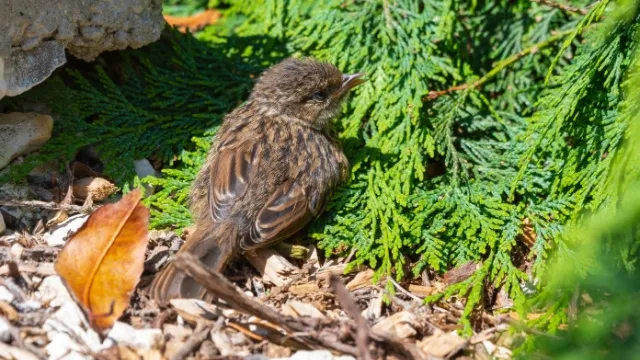
Heaps of leaf litter and cut branches are favorite places for birds to forage and look for nesting material. Don’t throw everything away. Leave some for the birds.
Feeding birds
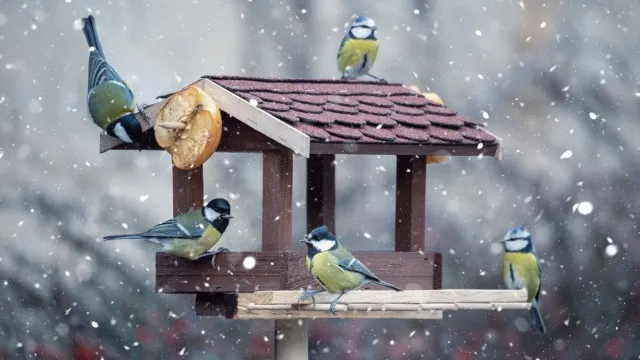
Feeding is important — especially when it is freezing or snowing. In winter, birds need a lot of extra energy to maintain their body temperature. Put out fat-rich food items during colder months, such as suet balls, peanut garlands, peanut butter, or half coconuts. But you can give some food aid to your garden birds all year round.
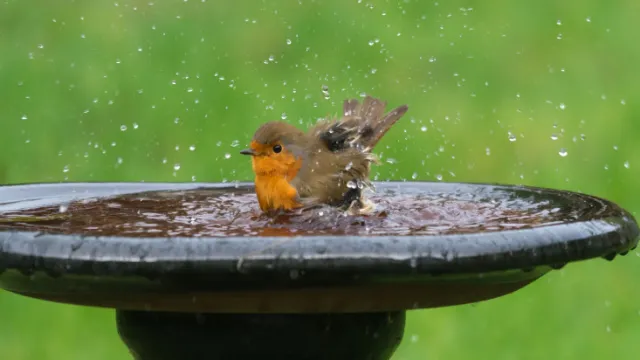
In the spring, they are busy building their nest and looking for food for the young. For the parents themselves, the food must now contain more calcium and protein, for example, mealworms or crushed eggshells. In the summer months, birds scavenge for worms and insects. Help them by planting insect-attracting plants in your garden. In the fall, birds search for a place they can find food during the winter. By feeding them now, you let them know they can come to your garden in the winter too! Throughout the year, treat the birds in your garden with bird food, crumbs, or fruit, but avoid products containing salt. And always provide drinking water. A flat bowl is perfect for birds to drink and take a bath.
Hang nest boxes
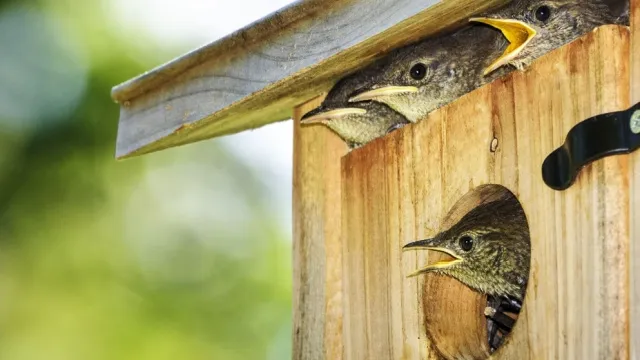
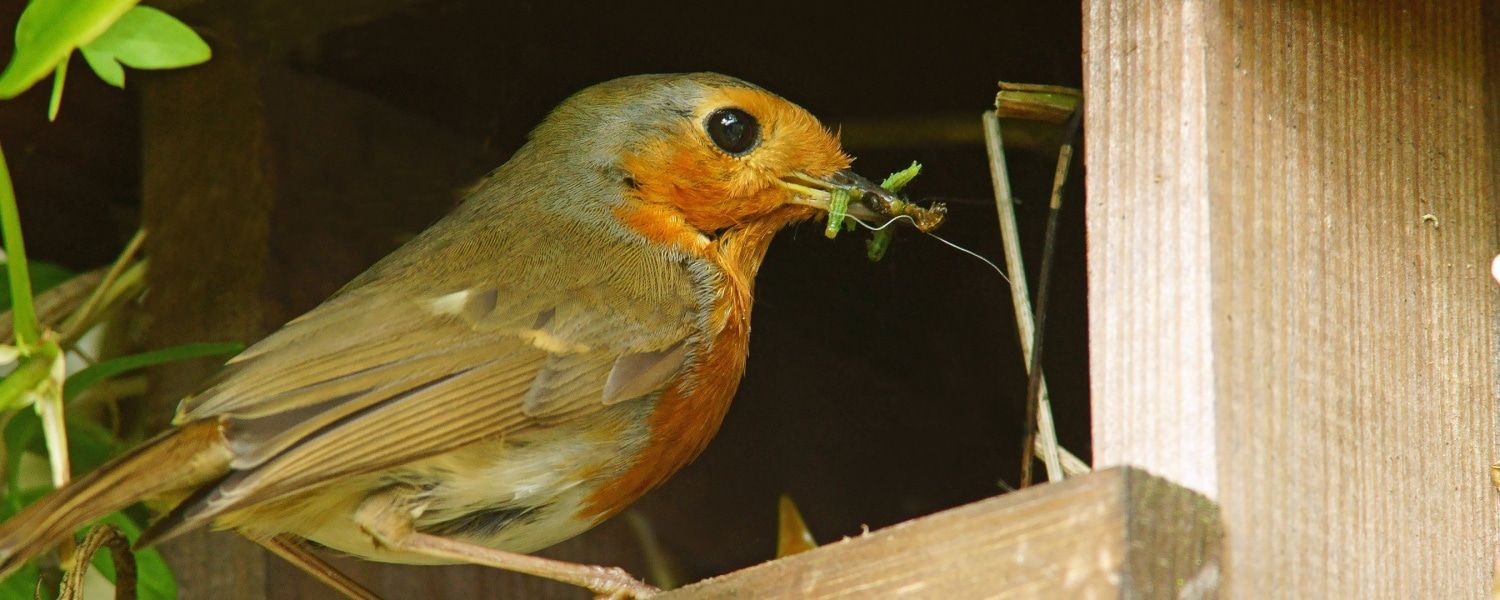
Nest boxes are available in all shapes and sizes, and with a little skill and simple tools, you can make them yourself. Which bird species will breed in your nesting boxes depends on the shape and the entrance opening. Each species has its housing requirements, and in a tree sparrow nest box (with a 40 mm opening), you will never find a blue tit (which prefers 28 mm).
Also, birds will not use a nest box if it is not in the right place. Choose a quiet and safe place, at least two meters high, so that cats cannot easily reach it. Furthermore, the nest box should not hang in the bright sun, and the wind should not be directly on it. In our regions, the wind often comes from the southwest, a northeasterly direction is best.
You can leave nesting boxes in your garden all year round. Some birds like to spend the winter in it. If you still want to remove them for the winter, wait until September and hang them back, cleaned, from the beginning of February.
What you can do against cats
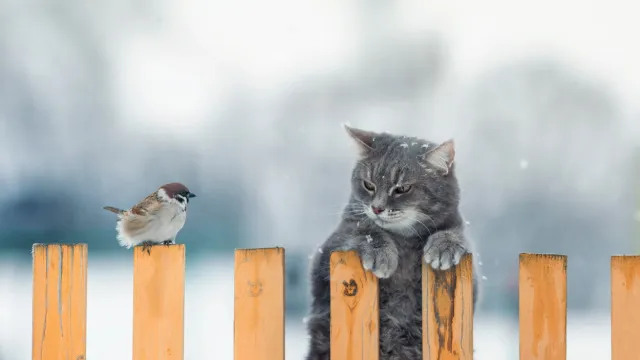
Birds often fall prey to cats, especially during the breeding season. To keep neighborhood cats out of your garden, here are some things you can do:
- Stretch one or more washing lines 10 to 30 cm above your fences. Cats cannot walk on them and will find it difficult to climb over.
- Plant prickly hawthorn or firethorn where cats can enter your yard.
- Spread thorny trimmings between the plants or plant-dense ground cover plants.
- Place a collar of wire mesh around the trunk of trees with nests.
If you have a cat of your own, put a cat bell on it. Cats that have been spayed or neutered will have less need to hunt.