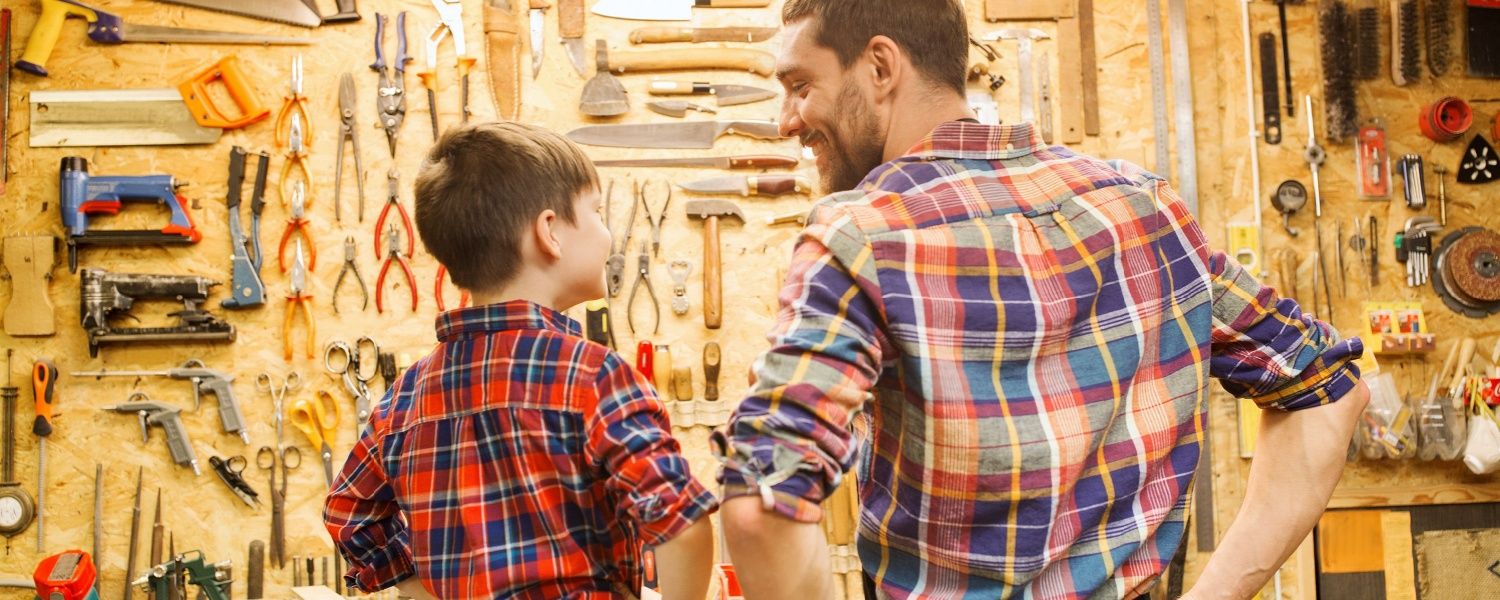
As children grow older, they often transition from toy wooden and plastic tools to wanting to use real ones found in a toolbox. As a parent, you’re mindful of safety and want to introduce them to tools they can handle responsibly. Which tools are appropriate for them to use under supervision? You prioritize both the safety of your tools and the safety of your child.
Why is working with tools good for children?
Working with real tools falls under what is known in pedagogy as ‘risky play’. Risky play involves children engaging in exciting, challenging, and adventurous activities with a risk of accidents and injuries. Children push their boundaries by trying new activities and overcoming their fears. The excitement, tension, and pride they experience make risky play very enjoyable.
Besides being fun, working with real tools is also educational. It stimulates the development of practical skills and independence and teaches children responsibility and respect for tools. DIY projects encourage creativity and problem-solving thinking.
Simple projects to start with
There are plenty of simple projects for children working with real tools for the first time. Consider:
- Having your child make a picture frame by cutting wooden slats to size and connecting them with glue and nails.
- Or a wooden jigsaw puzzle by cutting out different shapes and painting them.
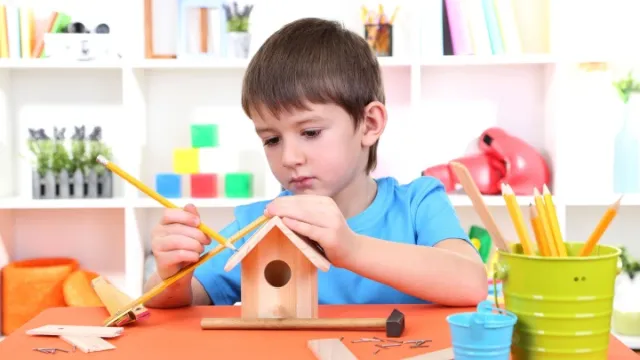
With some wood, nails, hammers, and saws, children can put together a simple birdhouse.
Tools to start with
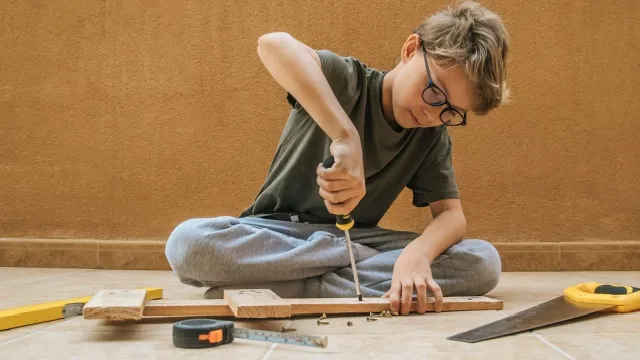
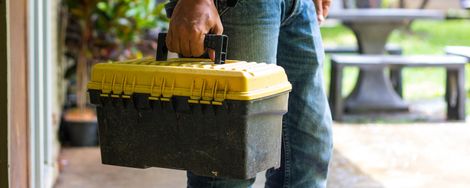
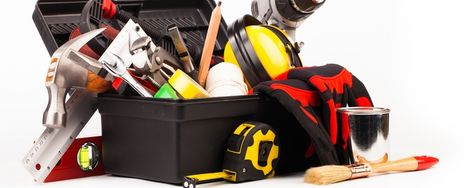
A hammer, pliers, screwdriver – preferably with a thick handle – coping saw, spirit level, and tape measure are among the tools that even little ones can use. But chances are your child is especially interested in your power tools. The question arises: From what age can children work with machines? This depends entirely on the child. Some children are naturally cautious and considerate, while others are irredeemable troublemakers.
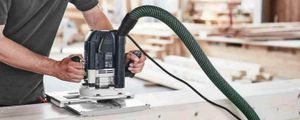
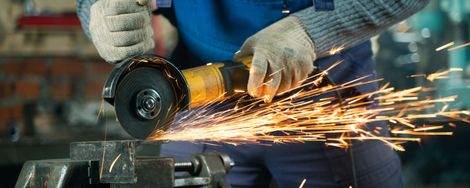
The law states that minor employees – under 18 – are not capable of assessing the risks of working with machines and must be protected. It’s not that young people can’t operate machines at all, but the tasks they’re allowed to perform are more limited than those adults are allowed to perform. Now, the law applies to employers and not to your own children, but extra caution and supervision are advised. A light drill-screw machine is a good tool to start with. Dangerous power tools include circular saws, chainsaws, and angle grinders. Also, read Safely DIYing with power tools.
Keeping it safe and fun
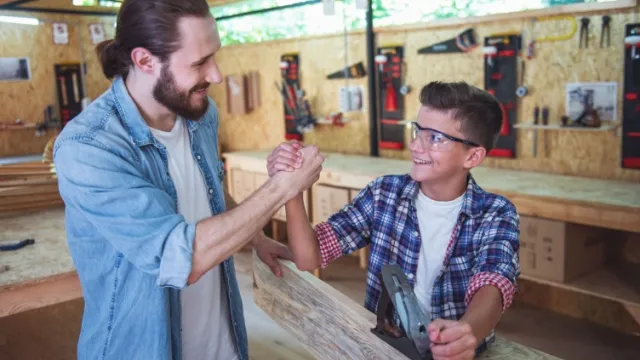
Some tips to keep working with real tools safe without spoiling the fun:
- Encourage your child’s imagination and creativity. Give them the space to create their own ideas and experiment with different types of materials and tools.
- Explain and demonstrate how the tools work and correct your child when necessary. But try to restrain yourself from shouting: ‘Be careful!’ Before you know it, you’re projecting your own fear. Let your child discover for themselves, guide them where necessary, and only intervene in real danger.
- Make good agreements about things like working seriously and neatly storing the tools.
- Always stay close to your child when they’re working with tools.
- Ensure a safe working environment.
- Encourage your child to ask questions.
- Working on a real project together is a good way to supervise and give your child the feeling of being a real handyman.