On Klium’s blog, we regularly provide tips on safe tool usage and personal protection. Because many accidents occur with power tools — circular saws and angle grinders are notorious — we’ve listed all the tips on safely using electric tools here. Keep this checklist in mind to protect yourself and others.
Risks when working with electric tools
- Electrocution due to short circuit
- Injury from flying debris
- Injury from contact with rotating or moving parts
- Physical issues due to vibrations or incorrect posture
- Hearing damage from exposure to noise above 80 dB
- Respiratory issues from released dust
How to avoid risks
The tools
- Use the right tools. Do not use machines that are underpowered or under too much load, and don’t use them for a task they are not designed for.
- Electric hand tools operating on mains power should be double-insulated. This is indicated on the tool with a symbol of two squares.
- Store tools securely in a dry, locked space, out of reach of children.
- Regularly inspect the tools for defects. A common issue is insulation damage on the cord, exposing the wires. Do not repair the cord yourself; have it replaced.
- Only use accessories designed for the tool and replace worn, blunt, or damaged accessories.
- Do not use a tool if its on-off switch is faulty.
- Keep the tools sharp and clean. The handles should be dry and free of oil and grease.
- Have your tools repaired only by a qualified technician.
- Cable reels used outdoors must be splash-proof (IP4X), meaning the sockets have covers. Always fully unwind a cable reel.
Working with electric tools

- Maintain a clean, tidy, and well-lit workspace. Working in a cluttered environment invites accidents.
- Secure the workpiece with clamps or in a vise when possible. Ensure a stable surface to prevent the machine or workpiece from becoming loose.
- Keep others, especially children, away when working with power tools.
- Do not use electric tools near flammable liquids or gases.
- Never carry the machine by the cable, and do not use the cable to unplug it. Protect the cable from heat, oil, and sharp edges.
- Do not leave wrenches on the machine. Check for any wrenches or auxiliary tools before turning the machine on.
- Avoid accidental activation. Do not carry a plugged-in machine with your finger on the switch, and make sure the switch is in the OFF position before plugging it in.
- Maintain a safe posture and stable balance. Stay alert, and do not use tools when you are not focused. Read Zen for handymen for more on working consciously with power tools.
Personal protection

- Use only recommended accessories. Using other than the recommended tools can increase the risk of injury.
- Avoid wearing loose clothing or jewelry that can be caught by moving parts of the machine, and cover long hair.
- Protect yourself with proper workwear and personal protective equipment. Depending on the task, the following are recommended:
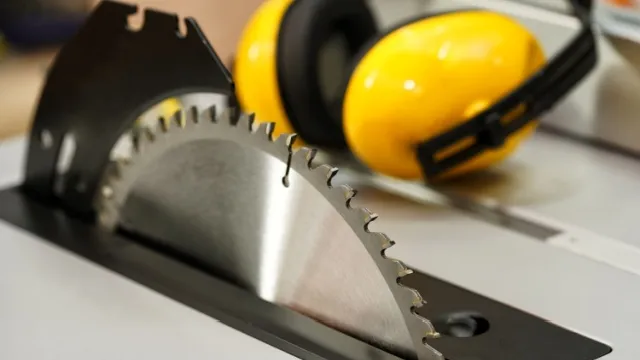
- Hearing protection. Use hearing protection when using noisy power tools such as nail guns, staplers, concrete drills, diamond blade concrete saws, grinders, and saws.
- Dust mask. Protection against inhaling dust is crucial for various tasks like sanding, grinding, sawing, and demolition work.
- Safety glasses. Protect your eyes from splinters and flying metal particles. Always wear safety glasses when this risk exists.
- Safety shoes. These protect against falling objects, slips, and corrosive substances. Recommended for practically every job.
- Work gloves. Available in various designs and materials to provide the right protection for different tasks.