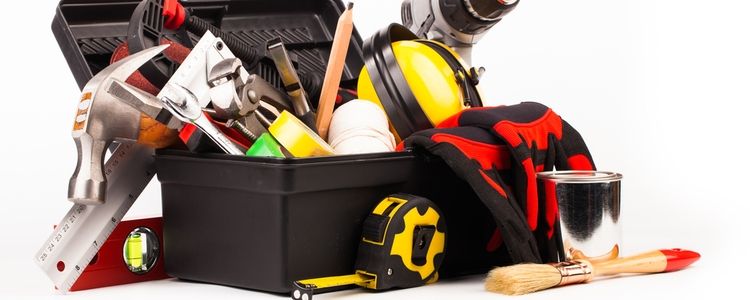
Think about what job you need the tools for
You probably buy your first tools with a specific job in mind. If you are clueless as to what tools will be involved, have a look around the internet. There you will find step-by-step plans for all possible DIY jobs, including lists of necessary tools.
Think about what you can use the tool for later
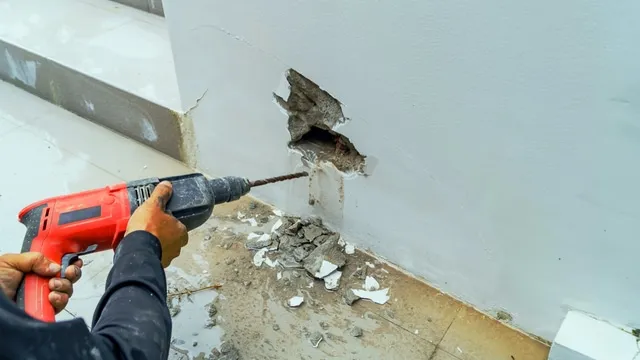
Some tools always come in handy. A drill, for example, or a Stanley knife. But if the renovation you’re planning calls for a special tool that you may never use again, it’s better to borrow or rent it from the hardware store. On the other hand, you can also think too frugally. Now a simple screw drill may be enough for you, but isn’t an impact drill a better choice? You can also drill in concrete if the need ever arises later.
Make a list
To ensure you don’t forget anything, make a list with three categories: hand tools, power tools and materials — screws and plugs, terminal blocks, painter’s tape, etc. Your protection should be a priority and at the very least, add safety glasses and a dust mask to your list.
Compare tools
Know which tools you want to buy? The next step is to compare different types from different brands. Go to a supplier’s website and view several drilling machines looking out for the specifications, options that appeal to you, and included accessories.
Choose professional quality
Especially for tools that you will use regularly, it is wise to choose a professional brand. Tools that craftsmen work with are usually sturdier, more powerful, and more ergonomic than hobby-brand tools.
Tip: look for offers. All (web) shops in professional tools have continuous deals. That immediately makes the price difference between professional and hobby tools a lot smaller.
Think combination tools
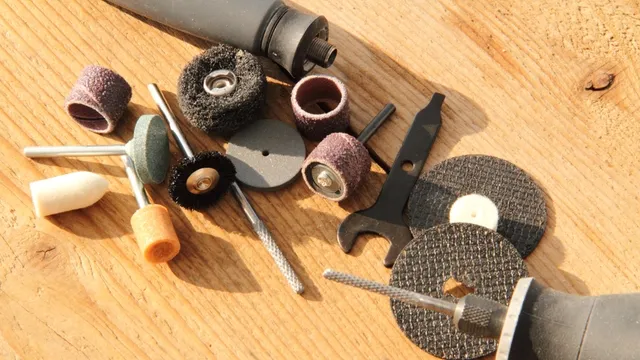
Another way to save money is to buy tools that you can utilize for different things. For example, a Dremel multi-tool can help you saw, sand, grind, cut and engrave.