Glueing tiles: using the trowel
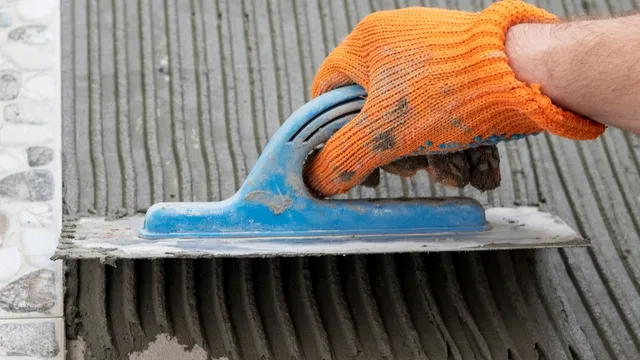
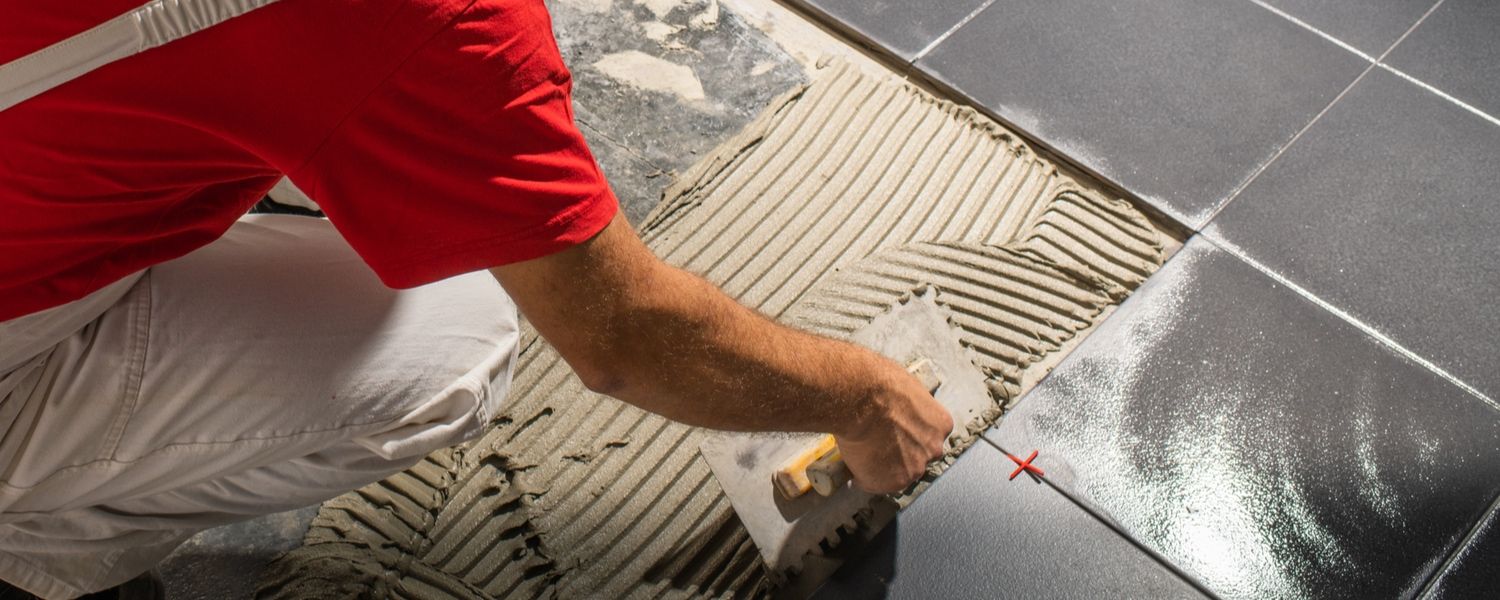
When glueing wall or floor tiles, apply the glue with a glue comb. The result depends on the comb you use. The size and spacing of the teeth determine the amount of adhesive that the comb leaves behind on the substrate or tile.
- For good adhesion, try to cover a minimum of 85% of the surface under the tile — 95% in wet areas. A general rule is the larger the tile, the greater the serration.
- To figure out whether you have the correct teeth, press the tile into the adhesive layer and pull it off again. Look at the back: no adhesive ridges should be visible, and the adhesive should completely cover both the back of the tile and the substrate. If this is the case, you need a glue comb with a larger serration.
- Always apply the adhesive ridges in a straight line. Do not twist and keep a constant angle to distribute the glue evenly. Hold the comb at an angle of at least 50 to 60 degrees to the wall to apply adhesive ridges of sufficient height.
- Especially with double hard-baked floor tiles, which absorb little moisture, double glueing is the way to ensure perfect adhesion. You can do this by smearing the surface with the teeth of the trowel and the back using the flat side.
Glueing wood: choose the right type of glue
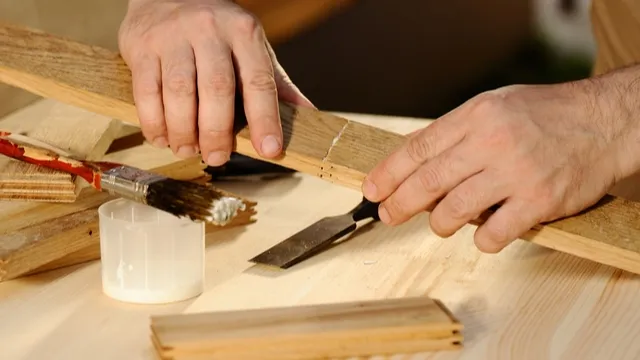
Wood glue comes in all kinds of varieties. Especially for hardwood or softwood, for example. But the most significant consideration for the choice is the environment.
5. Most wood glues do not tolerate moisture well. For wood constructions in wet areas such as the bathroom, you need water-resistant wood glue. The degree of water resistance is indicated on the packaging with a code: D1, D2, D3 or D4. The higher the number, the better the adhesive resists moisture.
6. It is better to use construction glue for outdoor use because it is more resistant to weather influences than wood glue.
7. This advice also applies to wooden parts that do not fit together properly. In contrast to wood glue, construction glue has a good filling capacity.
Glueing PVC: working cleanly and safely
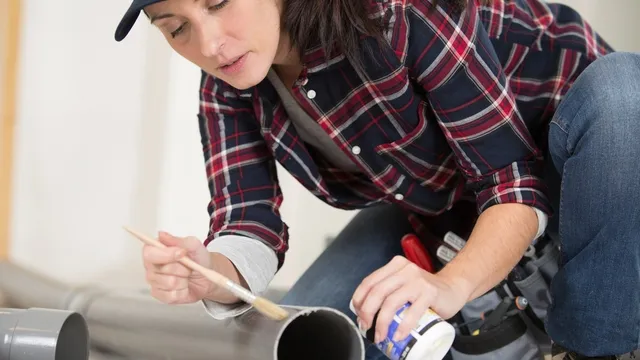
8. For glueing PVC pipes, use PVC glue and a special cleaner. This makes the parts meant to be glued clean and soft so that the glue can penetrate the material well. Apply the cleaner with a clean, lint-free cloth.
9. Preferably work with PVC glue in a well-ventilated area. The fumes from PVC glue are very harmful to your health.