Fireplace versus wood stove
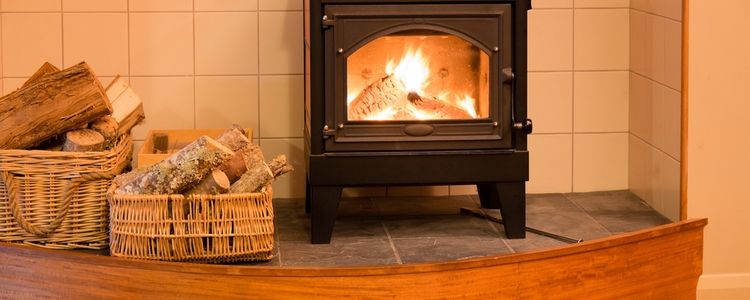
When it comes to heating, a fireplace clearly defies a wood-burning stove. With an open fire, you hardly benefit from the energy capacity of the firewood. In the best case, no more than about 30% of the heat enters the room. There are ways to get more out of a fireplace. The simplest is to place a cast iron hob against the wall at the back to increase the heat radiation. The thicker the hob, the warmer the radiation and the longer you benefit from it.
But a wood stove remains the best choice if you want more than the atmosphere. The capacity of the heater is important. It must match the space. A wood-burning stove with too little capacity will never heat the room, no matter how hard you burn it. And a stove with too large a capacity makes it too hot. Then you will have to greatly limit the air supply, which means that combustion is not optimal. Moreover, a stove with the right capacity will use much less fuel.
Tip: If you want to buy a wood-burning stove, measure the contents of the room in cubic meters and get advice from the salesperson.
Safe heating
Safe heating is clean heating. Clean wood, clean fireplace, clean chimney.
- Having the chimney swept every year is really necessary to prevent the risk of a chimney fire. Insurance does not pay if you cannot provide proof that this is done professionally.
- Also regularly clean the walls of the stove or fireplace and remove soot deposits before the layer becomes too thick.
Tip: Condensation of the moisture in the house can cause wood-burning stoves to rust outside the heating season. You can prevent this by spraying WD40 on the metal.
- Only burn clean, dry wood, and never burn wood with paint residue, chipboard or impregnated wood.
The best firewood for your wood stove or fireplace
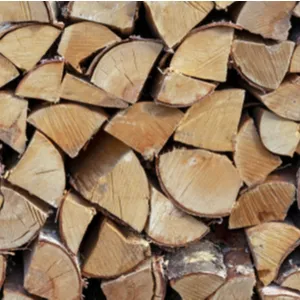
Good types of wood to burn include oak, ash, birch, and wood from fruit trees. Softwood, such as pine and spruce, gives less return and more pollution. But whatever wood you use: it must be dry in the first place. With wet or damp wood, much of the energy from the fire is used to evaporate the water in it.
Because good firewood – wood that has dried for at least two years – is expensive, it is a good alternative to buy fresh wood and store it in a dry, airy place. The true lover of the great outdoors will prefer to go out on the road with his chainsaw. Now you cannot just cut trees in our country, but there are always possibilities. For example, old fruit trees that need to be harvested.
Tricks to get the fire on
Contrary to what most people think, it is better to place the firelighter and kindling on the logs than underneath. This is because a better ignition occurs when the fire ignites from top to bottom. A few more tips:
- Pay attention to the correct distance between the logs. Too close together and the fire does not get enough air, too far apart and not enough heat develops for a good start to the combustion.
- By keeping a burning newspaper in the chimney opening, you can pre-heat the chimney wall. This ensures a better draft when you light the fire.
- Ensure adequate air supply. Too little air for a good ignition can be a problem in well-insulated homes. If necessary, open a window ajar and switch off the hood.
Controlled and sustainable heating
Finally, a few tips to get the most pleasant warmth from your fireplace and to take the environment into account.
- Burn your fireplace with the damper in the chimney partially open. With a fully opened damper, too much heat goes directly into the chimney. Experiment which position is good to let the fire burn quietly and nicely.
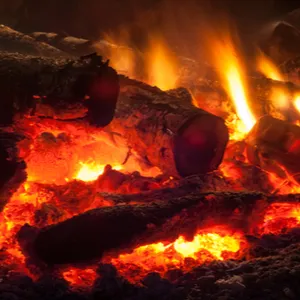
- You can recognize a good fire by yellow flames and white smoke. Orange flames and dark smoke from the chimney are signs that the combustion is not optimal.
- With a hearth basket, grate or andirons you can lift the fire a bit off the bottom, creating a better air supply. This contributes to good combustion.
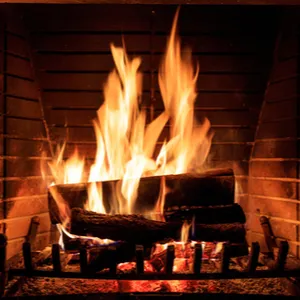
- Only scoop the ash from the fireplace when the layer becomes too thick. An ash bed insulates against the cold of the heating floor, which in turn helps for good combustion.
- Never completely shut off the wood stove’s air supply when it gets too hot in the room. The fire will not get enough oxygen and suffocates, which can cause carbon monoxide.
- Wood is more environmentally friendly than fossil fuels such as oil and gas. It produces fewer CO2 emissions during incineration and is renewable. Nonetheless, there are also environmental concerns associated with burning wood. In foggy and windless weather, the smoke sticks, which can cause local air pollution. So keep the neighbors in mind. And if possible, burn wood that has been harvested in the area, because transporting wood over large distances costs a lot of fossil fuel.