
Every house, old or new, has to deal with drafts. Cold air often enters through windows and doors. The exterior doors are especially susceptible to cold air entering. Especially when it starts to get chilly, you don’t want to worry about drafts and cold air coming in from outside. Below we discuss four ways to try and keep this trip to a minimum.
Draft strip front door
Install a draft strip around the exterior doors to prevent cold air from entering the house. Or you could seal gaps between doors and door frames with long lengths of weatherstripping. We recommend using weather strips made of flexible material with a self-adhesive draft strip. Since you have to apply the draft strip to the edge of the door, it is very important to choose a strip with the correct dimensions.
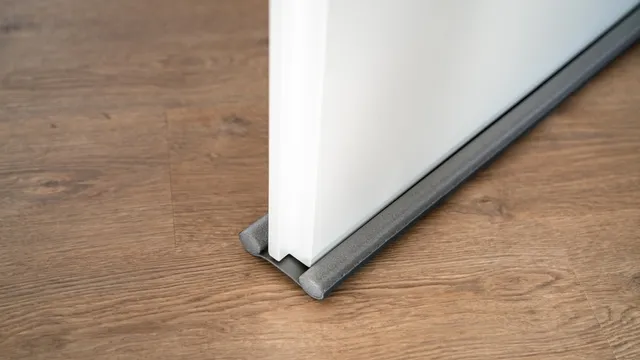
Install a door sweeper
In most cases, the cold air comes at the bottom of the front or back door. Therefore, an easy way to keep cold air out is to install a door sweeper at the bottom of the outside door. Energy prices have been rocking lately, and a door sweep will also help insulate your home extra. A door sweep can also help to block out unwanted noise.
Insulate the glass with foil
First and foremost, it is crucial to choose double glazing for the windows. The vast majority of exterior doors are finished with insulating glass: double glazing with HR++ quality. If part of your door contains a door window, you can insulate the window with window film. Window film looks like saran film and is excellent for insulating the windows during the colder months. After you have applied window film to the outside windows, you can heat the film with a hairdryer to reduce it and keep out drafts.
Caulking windows and doors
Is air coming in through the cracks around the frame? In this case, caulking is the best solution. This is how you can do it: First clean and dust the edges with a cloth and prepare the sealant tube for use. Then carefully spray a line along the joints of the door or window and press with your finger and smooth the sealant well. Let it dry, and after a few hours, everything is ready.
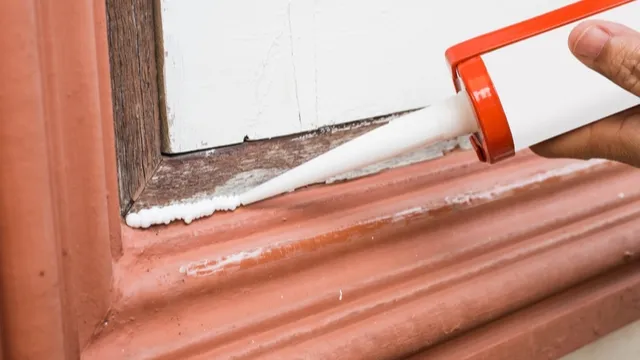
There is a special glazing sealant intended for sealing glass. Such a glazing sealant can usually be painted over. You can choose between the acrylic sealant and silicone sealant. Acrylic sealant dries faster than silicone sealant and can be painted over, but this insulation sealant is less elastic and water-resistant than silicone sealant.