Whether it’s in the garden, on the campsite, at the beach, or in your workspace, a cool box is the solution to keep your drinks cold and your snacks fresh. Cool boxes work in various ways, with or without power. View the options here and learn how to make the most of a cool box.
What Types of Cool Boxes Are There?
Cool boxes can be divided into two types: active and passive cool boxes. Passive cool boxes have insulated walls and cooling elements to keep your food and drinks cool. Active cool boxes usually operate on power and are available in four different types: thermoelectric cool boxes, compressor cool boxes, absorption cool boxes, and hybrid cool boxes.
Passive Cool Boxes
The walls of a passive cool box are insulated to keep food and drinks cool. This is the simplest and cheapest type. The price is related to the insulation value of the cool box. For better and longer cooling, use cooling elements. Tip: place the cooling elements on top of the products to make optimal use of the cooling capacity. The cold air sinks to the bottom, keeping the entire box cool. Besides the purchase price, the large usability is an advantage of this type: you don’t need power and can take your box anywhere. A disadvantage is that the cooling elements take up a lot of space, leaving less room for snacks and drinks.
Thermoelectric Cool Box
A thermoelectric cool box is suitable for keeping food and drinks cool in the car, truck, at the campsite, or the workplace. This type operates on power and requires a 12V or 230V connection. Depending on capacity, a thermoelectric cool box cools up to 20 degrees below the ambient temperature. Because it operates with a fan, this box is not silent, which can sometimes be annoying. Thermoelectric cool boxes can often be set to an eco or night mode, so they don’t have to work as hard when the temperature drops. The lightweight and compact size are advantages of the thermoelectric cool box.
Absorption Cool Box
An absorption cool box is particularly versatile because it operates on 12V, 24V, 230V, and gas. This type cools 25 to 30 degrees below ambient temperature, so it can handle even tropical conditions. Since an absorption cool box operates on coolant, there are no moving parts, and you don’t have to deal with noise. A common problem with this model is that it gets warm at the back but doesn’t cool. When the cool box hasn’t been used for a long time, air bubbles can form in the line, disrupting the cooling function. You can easily solve this problem by turning the cool box upside down overnight when it’s off. Then, turn the box upright the next morning and wait 10 minutes before turning it on.
Compressor Cool Box
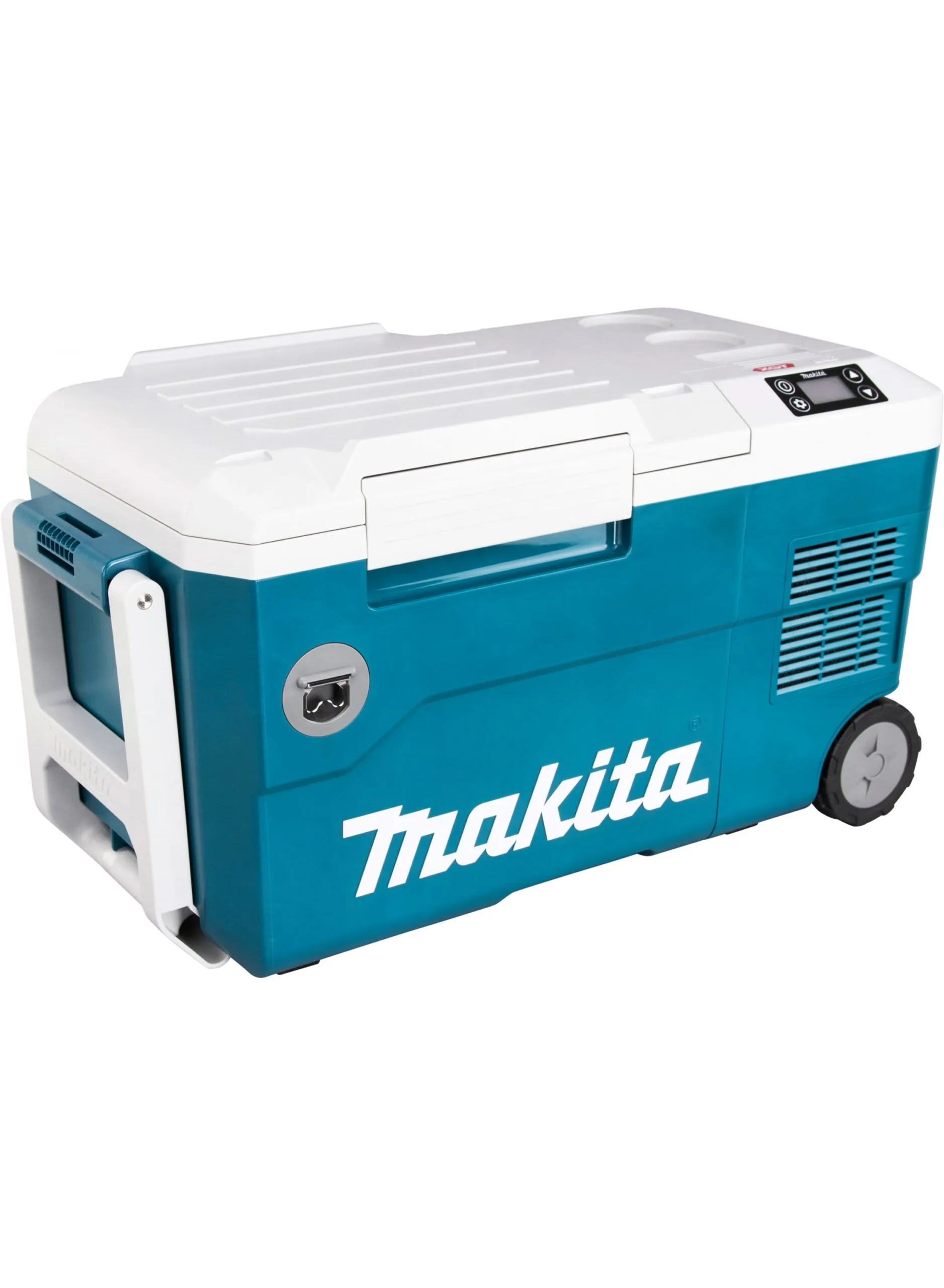
A compressor cool box is not affected by the outside temperature. This makes it suitable for keeping perishable products or medicines cool. With this cool box, you can even freeze up to -22°C. Cooling is also particularly fast. Another advantage is the low power consumption. 12V/24V models have a built-in battery monitor that automatically switches off the cool box when the built-in battery voltage gets too low and switches it on again when there is enough battery voltage. The noise a compressor cool box makes is comparable to the noise of a home refrigerator: it continuously cycles on, hums, and cycles off.
Hybrid Cool Box
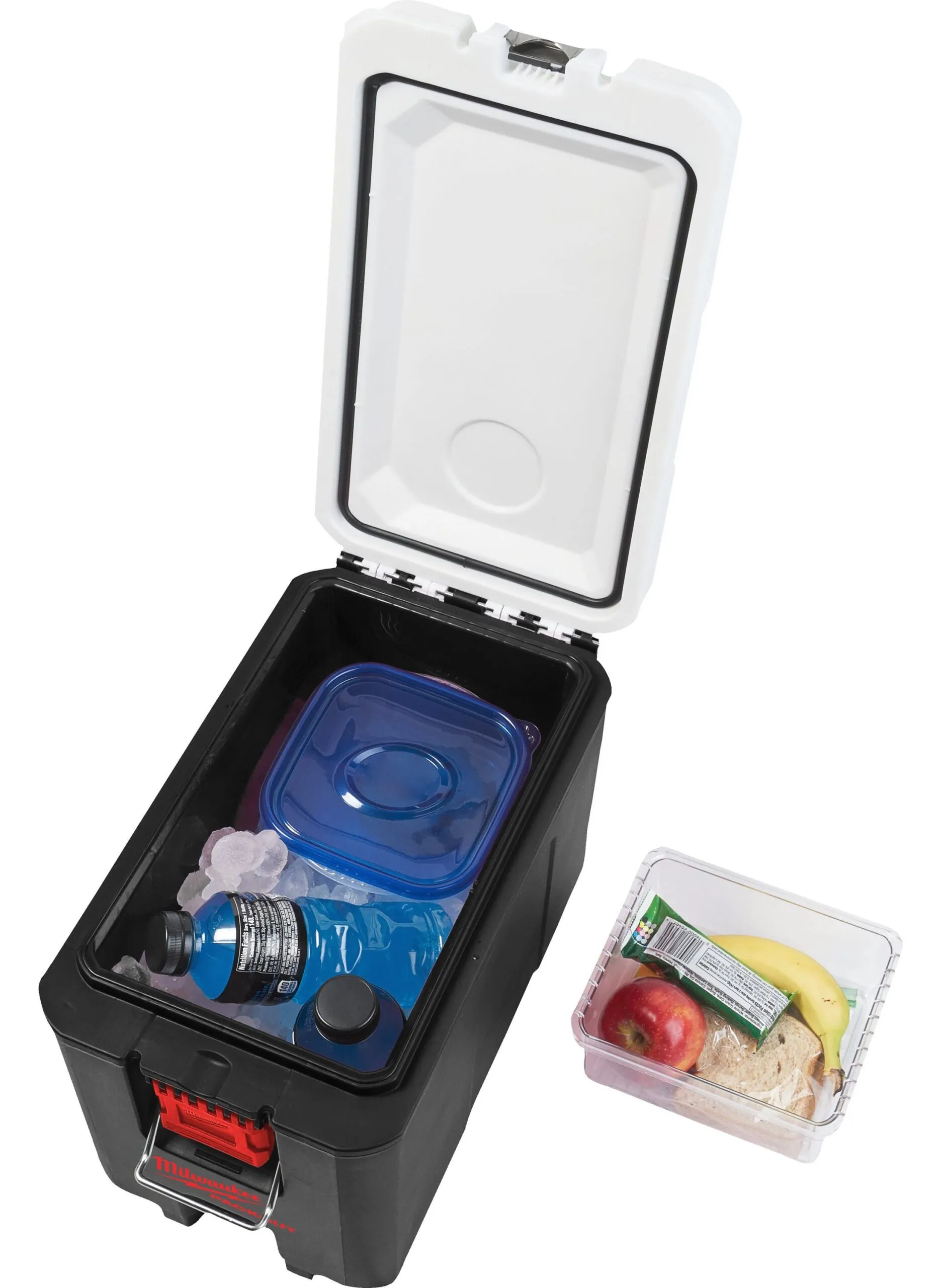
A hybrid cool box is a mix of two types: the compressor cool box and the thermoelectric cool box. It operates on both 12V and 230V. On 12V, it functions as a thermoelectric cool box that can cool up to 20 degrees below ambient temperature. On 230V, it works as a compressor cool box. The ambient temperature does not influence the cooling capacity, and you can also use the box as a freezer.
Usage Tips
Follow these tips to get the most benefit from your cool box:
- Put pre-cooled products in the cool box and load the box full. Empty spaces warm up faster.
- Close the cool box properly.
- Place the cool box in the shade and preferably on an elevated surface. For compressor and absorption cool boxes, they must get enough ventilation from all sides.
- Place a grid at the bottom of your cool box to prevent condensation. Especially in thermoelectric cool boxes, the bottom can become damp. A grid prevents the contents from getting wet.
Maintenance and Storage of Your Cool Box
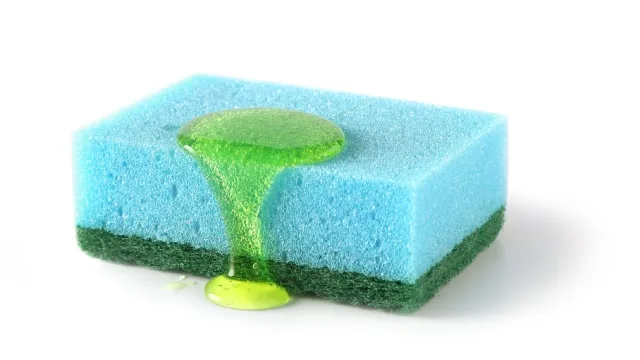
The interior of a cool box is usually made of plastic. Use a mild detergent solution for cleaning. Aggressive cleaning products can cause damage and leaks. When storing the cool box, it’s recommended to leave the lid slightly open. This prevents the cool box from developing a musty smell. A folded dishcloth under the lid is enough to allow air into the box’s interior.
To retain the summer vibes, read Give your living space a Mediterranean vibe.