Lawn

With persistent heat and drought, the turf quickly turns yellow. Not a problem in itself because the grass is resilient and will recover on its own. However, a beautiful green lawn is more appealing, so it is essential to water it correctly, especially during the summer months. Depending on the temperature, it may be necessary to put the sprinkler on the lawn once or twice a week. It is best to do this early in the morning and long enough to wet the soil thoroughly. A little spraying every day is pointless because the roots will stay on the surface, and the grass will dry out faster. In prolonged heat, it is better not to mow the grass too low. Instead, set your lawnmower to the greatest height and mow more often. You can find more detailed information about lawn maintenance in Summer tips for the lawn.
Plants and shrubs
For plants and shrubs in open ground, it is better to water generously once or twice a week than a little every day. You can raise the soil a little around the plants so that the water does not immediately wash away. Additionally, placing a layer of bark or other organic material around the plants helps prevent dehydration and ensures lesser weeds. Potted plants, particularly in terracotta pots, are especially vulnerable to overheating. So make sure that they are in full sun as little as possible and cover the soil with a layer of mulch.
Pond
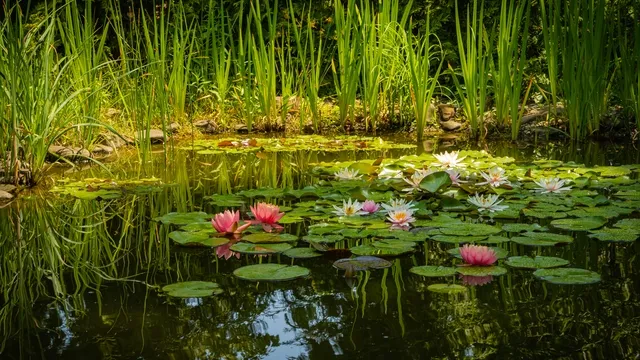
With persistent heat, pond water can evaporate quickly and become low in oxygen. Cloudy water is often an indication of oxygen deficiency. There are specific oxygen plants to tackle this problem, and water fleas can also help maintain the oxygen level. In any case, top up the pond regularly, but do this in small amounts at a time because too much cold water at once can disturb the balance. Tall aquatic plants, which give the pond more shade, help to prevent evaporation.
The ideal garden for hot summers
It’s too late to heat-proof your garden now, but for next year’s summer, here are some tips for landscaping that takes less work and provides more coolness during the hottest days.
The greener, the better
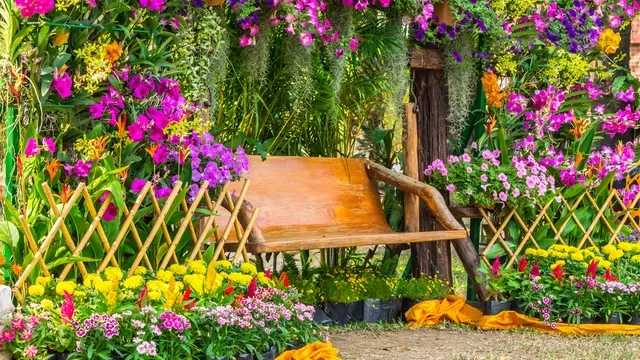
There is nothing like the shade of living greenery. Trees or a pergola are more pleasant to sit under and enjoy your garden than a parasol. The same goes for the bottom. Pavement traps heat, while grass and ground covers help keep it cool.
The right kind of green
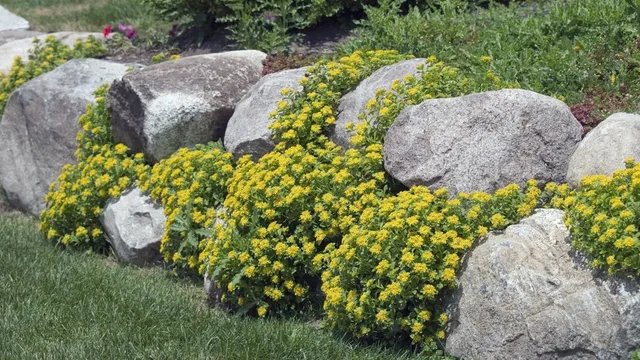
Especially on sandy soil, it is good to choose drought-resistant plants. Ornamental grasses, succulents and herbs such as lavender thyme and rosemary have no problem with extremely hot and dry summer weather. Ground covers ensure that the soil dries out less quickly and thus help other plants to survive the summer.
Plant in the fall
Crops that can be planted in both the spring and autumn seasons are best put into the ground in the fall. The soil is still warm, and the plants immediately start making new roots. Because the root system has more time to develop, the plants will suffer less from drought.
Soil preparation
Good soil preparation is half the battle. If you have a garden with sandy soil or heavy clay soils, dig through a generous amount of compost to retain water and food and prevent them from drying out into a solid, impermeable layer. Head over to 3 do-it-yourself compost bins to learn more.