An interior wall of plasterboard
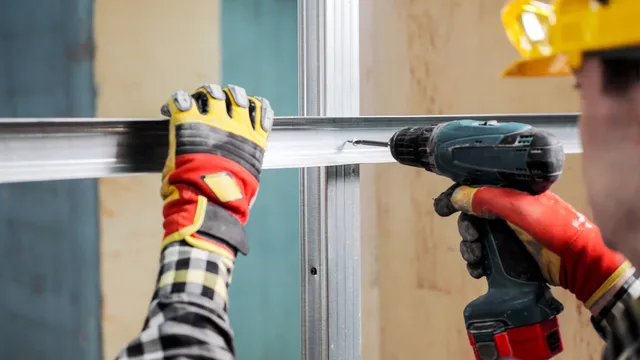
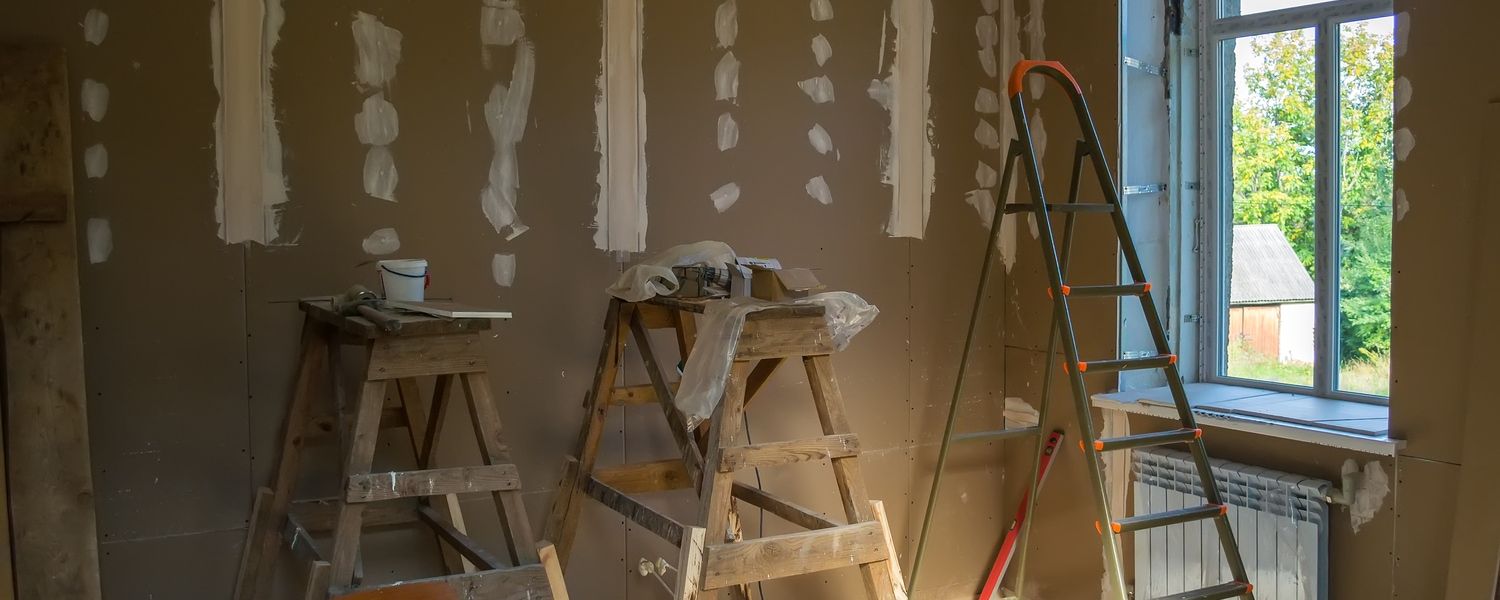
Plasterboard consists of a core of plaster finished on both sides with a layer of cardboard. Plasterboard is light and easy to cut or saw. For creating the supporting structure, you can make a wooden framework or use a metal frame, called ‘metal stud’ in a technical term.
Advantages of a plasterboard wall
- Lightweight
- Easy to work with and easy to finish
- Any shape is possible
- Meets architectural requirements such as fire resistance and acoustic insulation
- Pipes can be installed invisibly in the wall
- Also suitable for wet areas with special plasterboards
A disadvantage is the size of the plasterboard, which can make it difficult, if not impossible, to get them where you want them in the home.
An interior wall of aerated concrete
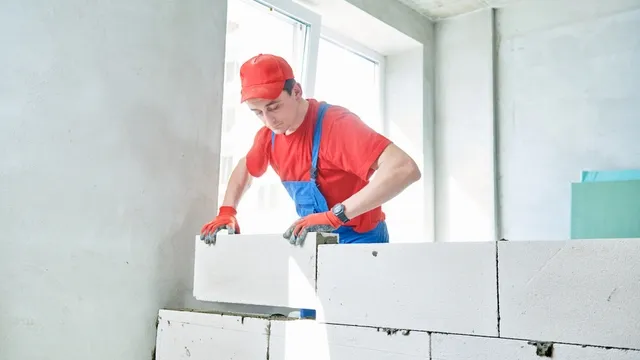
If you prefer a more solid product, aerated concrete is the solution. Aerated concrete blocks are made of lime, sand, and cement. The open structure (with a large number of air cells) gives aerated concrete high insulation values and good sound-damping properties. Because aerated concrete is quite soft, you can easily hide pipes by milling slots, for example, with an angle grinder. Aerated concrete blocks can be cut to size with a coarse-toothed aerated concrete saw and glued with special block glue.
Advantages of aerated concrete
- Lightweight
- Easy to process
- Fire resistant
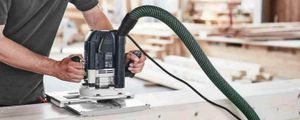
- Easy to machine with a router
- Good heat and sound insulation
Conclusion
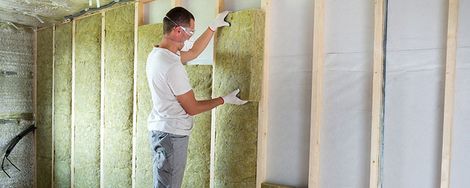
Plasterboard and aerated concrete are the two most commonly used materials for interior walls for a reason. They are both easy to process and score well in fire safety. Aerated concrete offers better insulation due to its thickness and ‘airy’ structure. If you want to achieve the same insulation values with plasterboard, you will have to build a double wall with insulating material in between. Compared to plasterboard, aerated concrete blocks take longer to finish the wall neatly due to the presence of many joints. An advantage of aerated concrete is the easier transport.