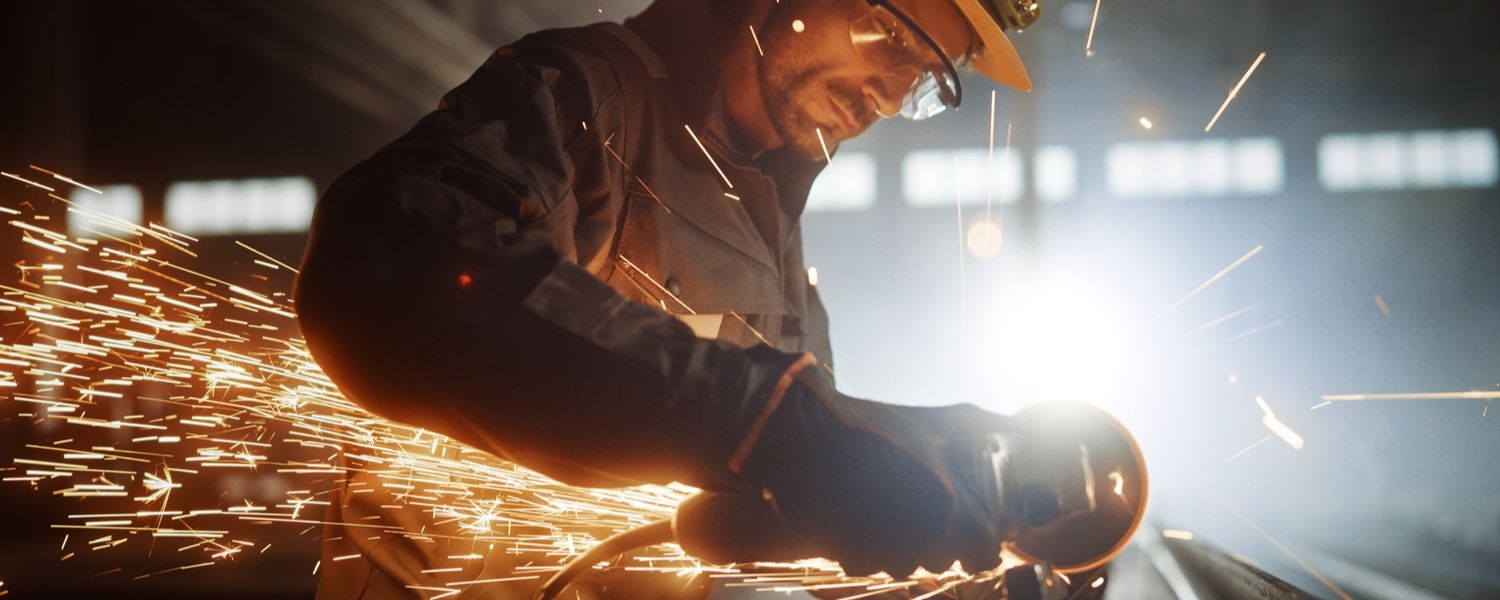
Which angle grinder to choose?
Angle grinders come in different sizes. The three most common angle grinder sizes are 115mm, 125mm, and 230mm, based on the diameter of the grinding wheel. For the do-it-yourselfer, the 125mm angle grinder is usually the best choice. 230 mm angle grinders are there for the heavy work. You don’t need the power of these professional machines for home use, and they are less suitable for finer jobs. The advantage of a 125 mm sharpener compared to a 115 mm model is that it takes about 25% longer before a disc is worn to the point that you can no longer work with it.
The choice between the main power and the battery is the choice for a lower purchase price or greater freedom of movement. Battery models generally cost a bit more, but you are not dependent on the power supply where you work.
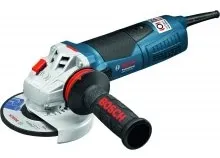
Always choose an angle grinder with a soft start. This ensures that the machine gradually comes up to speed so that it cannot hit back when you start it.
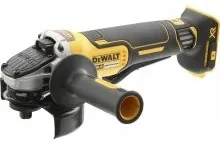
What can you do with an angle grinder?
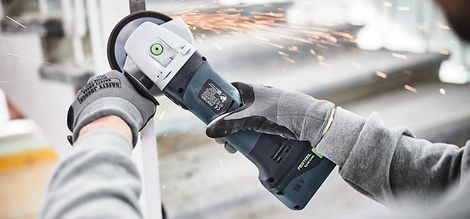
Angle grinders are primarily used to cut metal sheets, metal pipes, and rebar. But with the correct grinding wheel, they are also suitable for stone and wood materials. In addition to grinding, you can also use an angle grinder to deburr, remove rust, sand, clean and polish. You can easily exchange the disk for various activities. A few possibilities:
Cutting disc for cutting metal
Grinding wheel to remove burrs in metal
Diamond disc for stone and ceramic tiles
Flap disc for polishing
Bowl wire brush to clean metal
Disc brush to remove paint and varnish on metal
Working efficiently and safely with an angle grinder
- As with all power tools, let the machine do the work. When cutting, you move the grinding wheel back and forth through the material without exerting extra pressure. If you do need some extra force, apply it when you pull the machine toward you, as this will give you the most control.
- Always use the disc for which it is intended. So do not deburr with a grinding wheel.
- A tip for deburring: hold the disc at an angle of about 15° to the workpiece. A small angle gives a larger contact patch and works faster, with a better result.
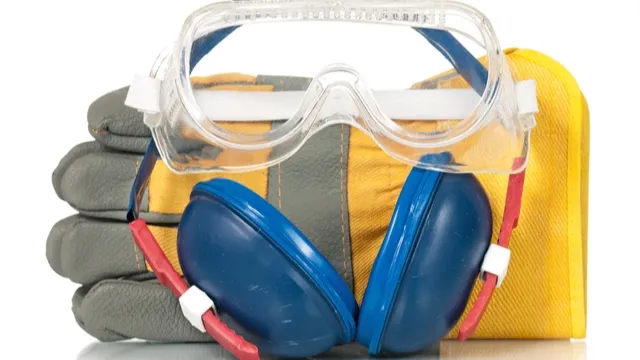
- Working with an angle grinder is very noisy, and flying metal particles, and sparks are other safety hazards. So always protect yourself with hearing protection, safety glasses, and work gloves.
- Never work without a safety guard.
- Do not wear loose clothing, loose long hair, or a necklace when working with an angle grinder.