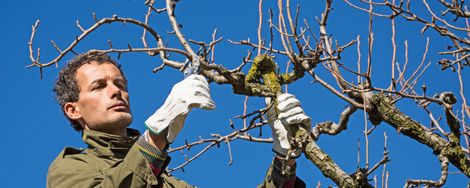
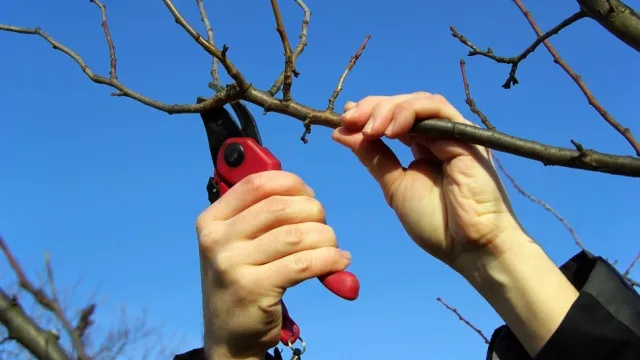
A frost-free day in February is the ideal opportunity to get out into the garden for the first pruning of the season. It’s best to prune trees and shrubs in February, including fruit trees, clematis, and conifers. Are your pruning shears ready for the job? Dull pruning shears cause unnecessarily large pruning wounds, and it is difficult to cut through thicker branches. Luckily, pruning shears are one of the garden tools that you can easily sharpen yourself.
You’ll need this
- Abrasive sponge
- Water and soap
- Steel wool
- Dry cloth
- Diamond file or file stone
- Linseed oil
Sharpen your pruning shears in 3 steps
1 Cleaning
If you haven’t already done so by the end of the gardening season, now is the time to clean your pruning shears thoroughly. Scrub the blades with a scouring pad, soap and water or a liquid abrasive. Steel wool is great for tackling any stubborn contamination. Remove all plant debris and finish by drying the pruning blades with a cloth.
2 Sharpening
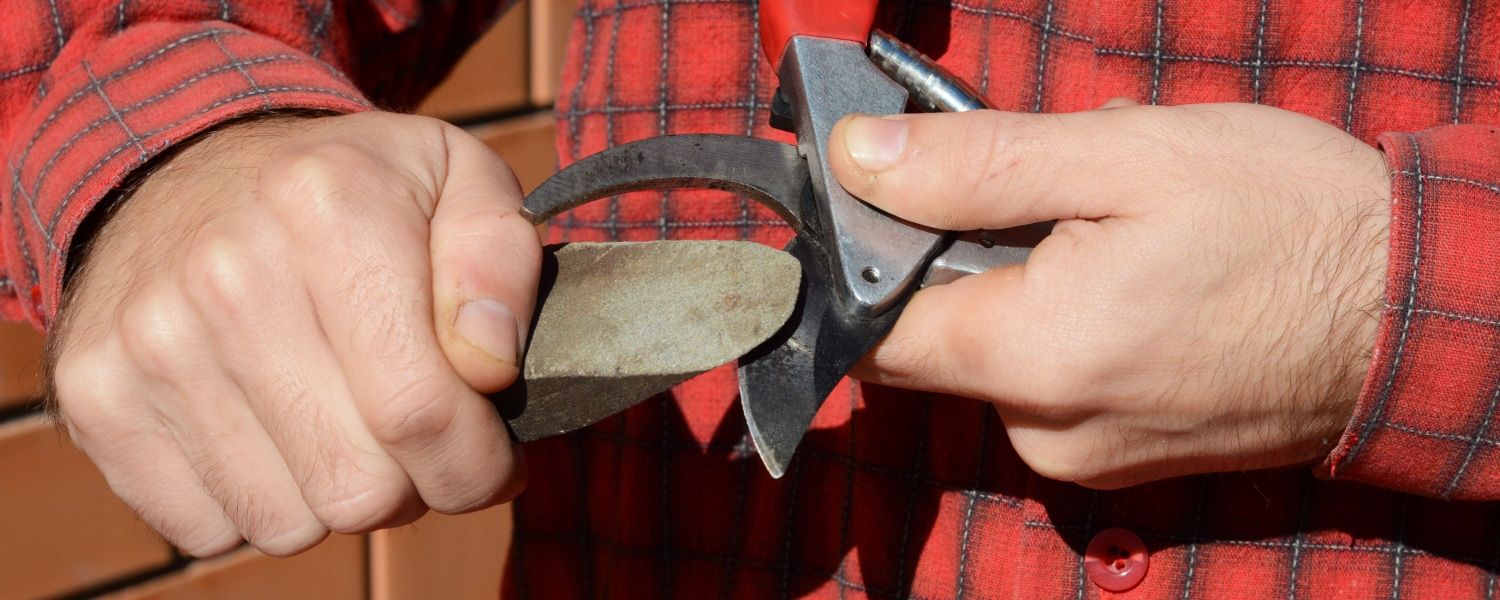
First, moisten the pruning shears again to prevent the grooves in the blades from becoming clogged. Hold your pruning shears in your hand so that the blades are at an angle of about 20 degrees. You can also clamp them in the vice, which may work more pleasantly. Take the file or filing stone and start filing inside the cutting blade; work towards the tip. Move in the direction the blade was sharpened at the factory; you can tell by the shape of the blade. Depending on how blunt your pruning shears are, run the file over the cutting blade about 10 to 50 times. Do you have different files? Then start with a coarse file and finish with a fine file to remove all metal splinters.
3 Grease
After sharpening, grease the blades of the pruning shears with a cloth with some linseed oil to prevent rusting. Now your pruning shears are clean and sharp again, ready for the job.