You won’t often find a magnetic drill in a hobbyist’s workshop. It is a specialized power tool for professional applications in industry and construction. However, for DIY enthusiasts who frequently work with metal, it can be a valuable addition to their tool collection.
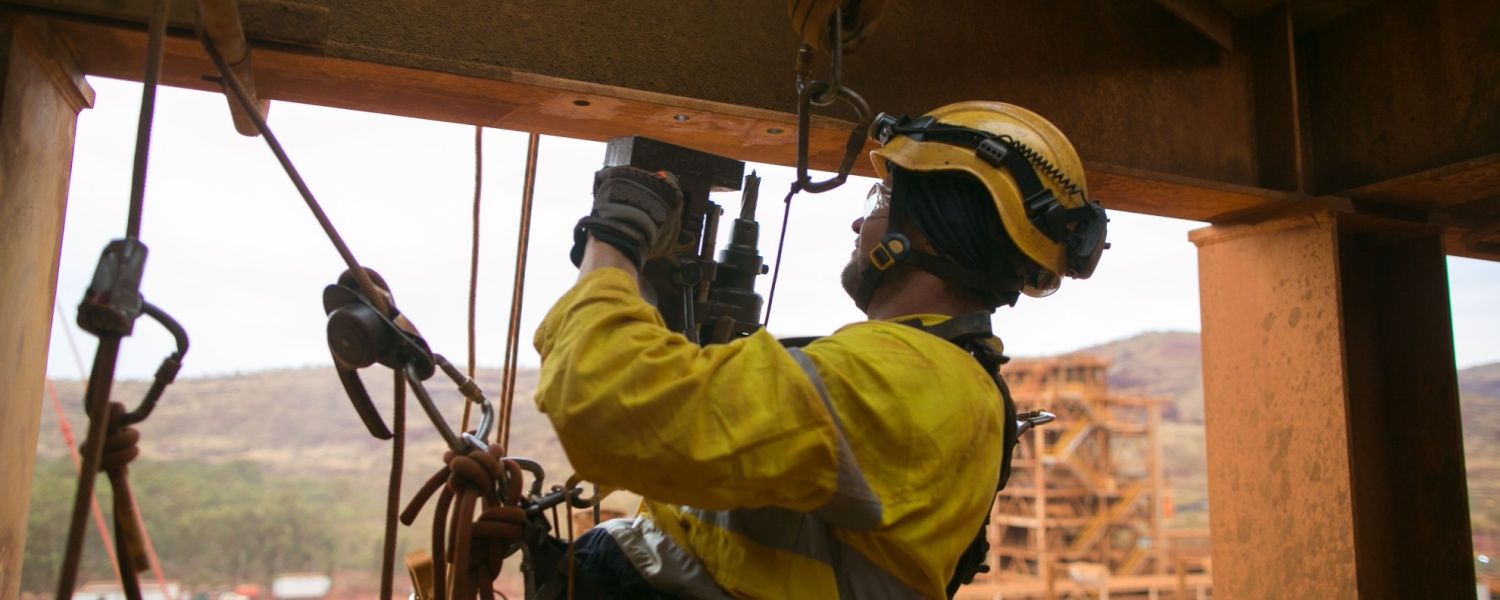
A magnetic drill is as mobile as a regular drill and as stable as a bench drill. This makes it suitable for on-site use and in any desired position on the thickest types of steel.
How Does a Magnetic Drill Work?
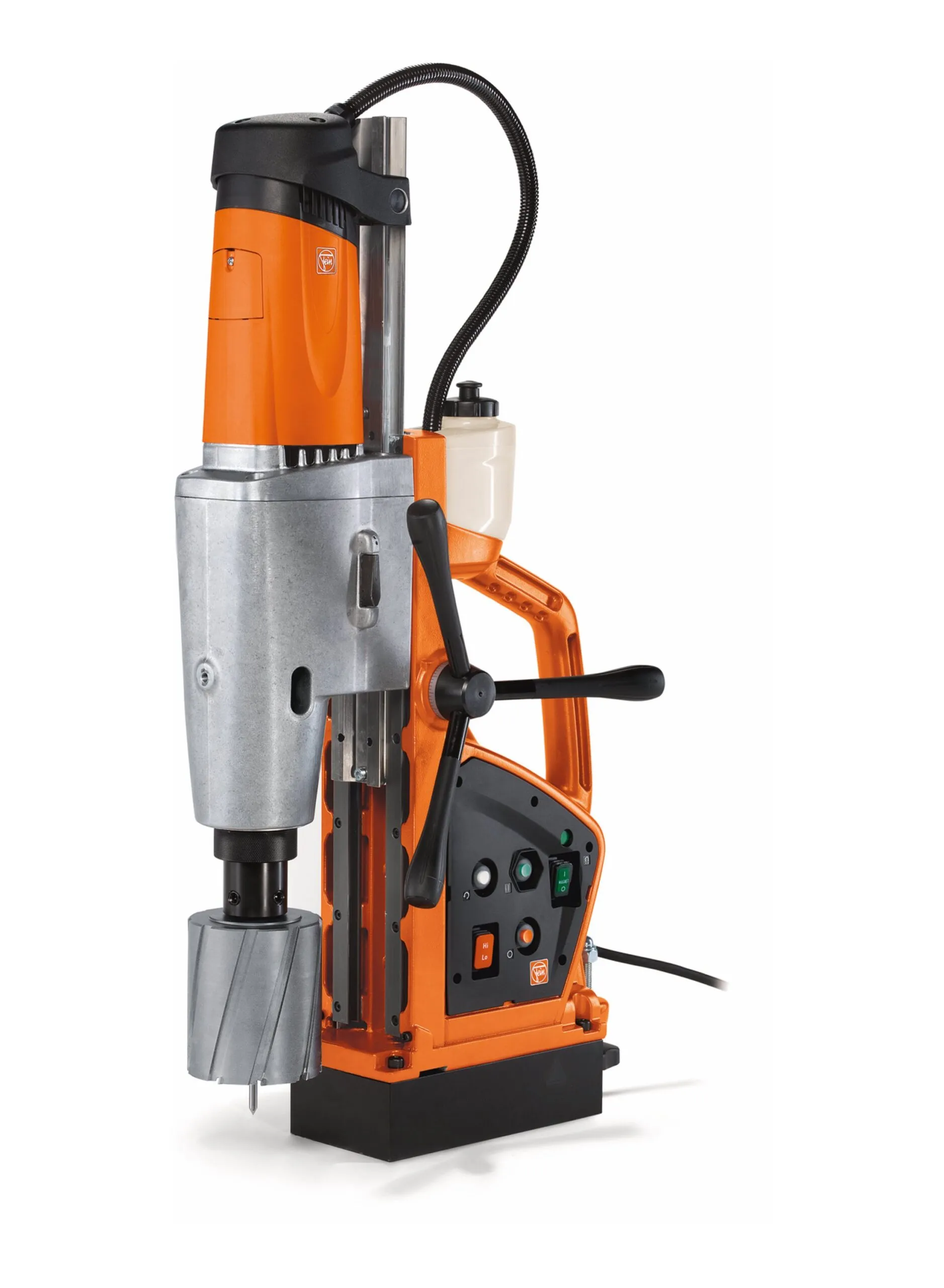
The most notable feature of a magnetic drill is the heavy block at the bottom, which is the electromagnet that ensures the machine firmly attaches to the steel surface you plan to drill. The advantage over a bench drill is that you bring the machine to the material instead of the material to the machine. This makes a magnetic drill suitable for on-site use and in any desired position — horizontal, vertical, or upside down. Safety is guaranteed because a magnetic drill only works when the magnet is activated. Most magnetic drills have an indicator showing whether there is sufficient magnetic force.
The Advantages of a Core Drill
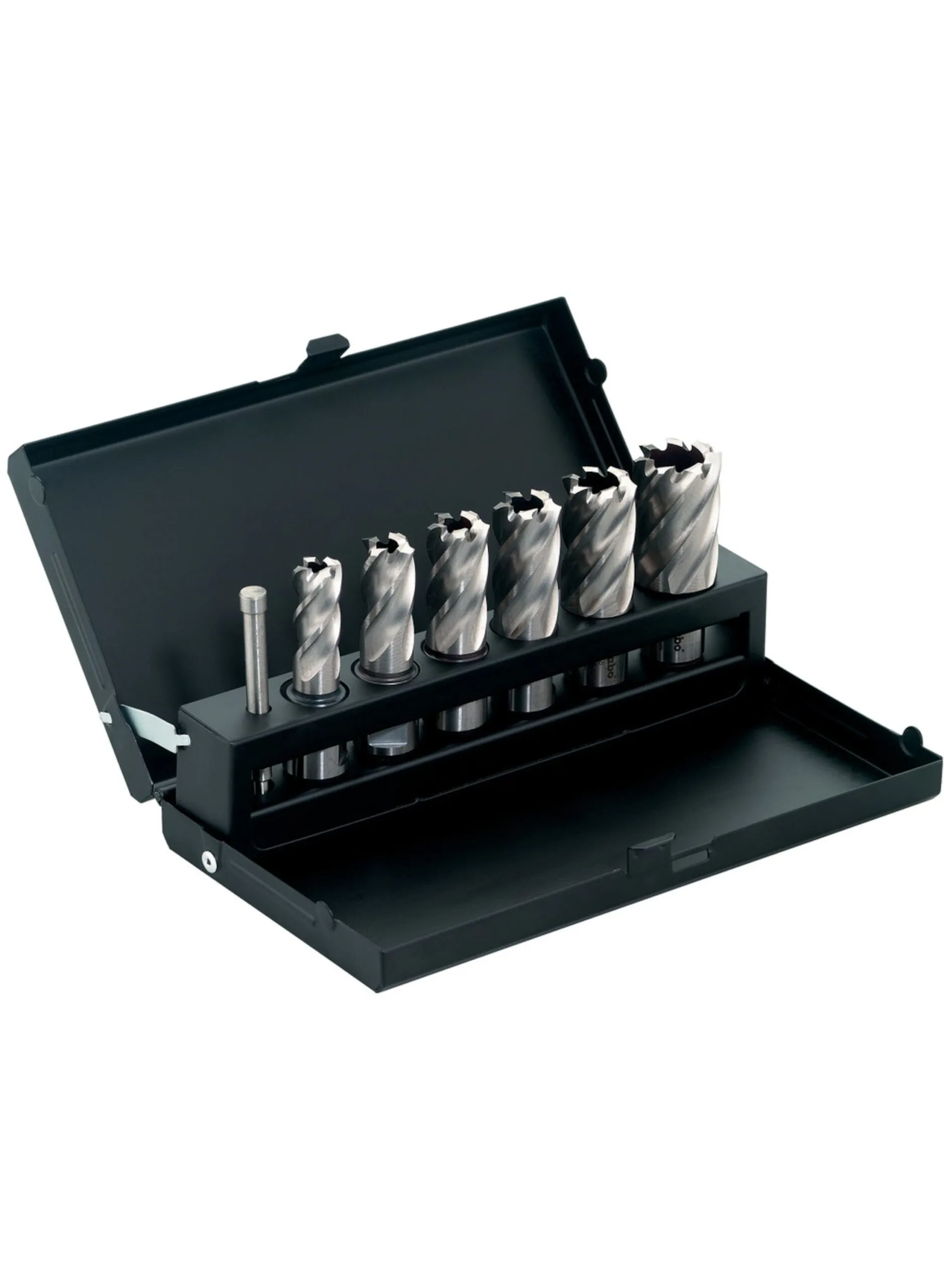
Unlike regular drills with a spiral drill bit, magnetic drills are equipped with a core drill. With a core drill, you only cut out the perimeter of the drill hole. The core remains intact and falls out once the drill has passed through the material. The major advantage is that less material needs to be removed, making a core drill much faster than a spiral drill. You can quickly and precisely drill large diameters in the hardest steel. Additionally, there is less resistance during drilling, significantly reducing drill bit wear.
Safe Use of a Magnetic Drill
- Because the electromagnet can detach in case of unexpected power failure, the machine is equipped with a safety chain. Always ensure it is correctly attached.
- The clamping force of the magnet depends on the thickness of the workpiece. For safe adhesion, the material to be worked on must be at least 12 mm thick.
- Metal shavings reduce the clamping force, so ensure the magnet is clean.
- Voltage fluctuations can cause the magnet to detach. Do not use other machines on the same power outlet while using the magnetic drill.
- To prevent overheating, core drills work with a coolant. Check the coolant level before each use.
- Protect yourself from flying shavings, hot metal, and noise. Wear work gloves, hearing protection, and safety glasses when working with a magnetic drill.