Drilling through cinder block walls is a DIY job that must be done even by people who have two left hands. This is because if you want to attach something to the wall, you will need to use something to attach it to, in most cases a screw and a plug.
Depending on what you want to attach – a calendar is a lot simpler than attaching a flat screen tv – you will need to choose the right materials and tools for the type of wall. Each construction material has its specific properties and you should keep that in mind when choosing the drill, plug and screw.
In this article we will give you professional tips and advice for drilling through cinder block.
What are cinder blocks?
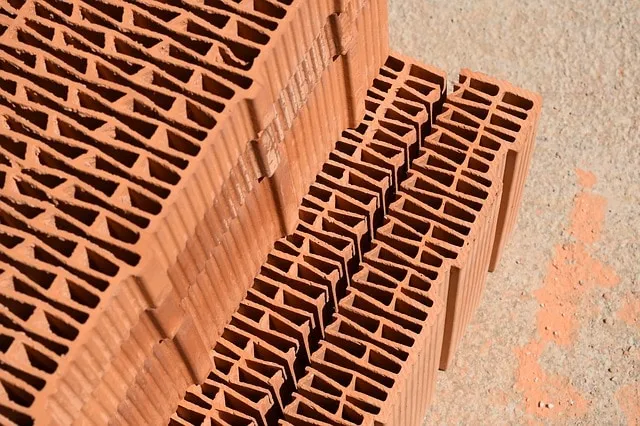
Cinder blocks are commonly used for cavity walls and interior walls. They are large, perforated bricks which are laid or glued. The stones are light and easy to handle due to the holes and, thanks to their large size, a wall can be built quickly. A wall made of cinder blocks insulates better than a solid wall because it has a lot of hollow space. Cinder blocks must always be finished with a coat of paint because, unlike traditional brick, it doesn’t look appealing.
Technique for drilling through cinder block
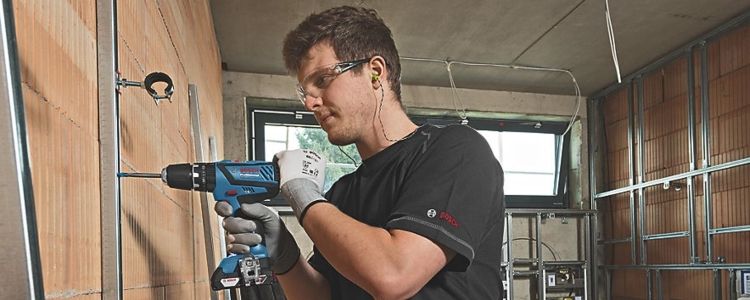
Drilling through cinder blocks is done with a stone drill bit. This is the same drill bit that you use for solid stone walls. A stone drill bit can be recognized by its blunt head and ‘wings’ that can break the stone. Drilling through cinder block is best done:
- at the highest speed
- with the knock sensor
Tip: Do you know which material is used for the wall behind the plastered coat? If not, then you need to drill a shallow hole and see what colour the powder, the so-called drilling-flour, has that comes out. If it’s red, then the wall is made of brick. If it’s white or gray, chances are that you’re dealing with concrete. In that case it is better to use a concrete drill and to switch on the knock sensor.
Which drill driver is suitable?
Bricks are softer than concrete, and you can use any type of drill driver for bricks: electric, cordless or a screw drill. As long as you are not using a hammer drill. And, as has been mentioned before: If your machine has a knock sensor, turn it off.
The right plug for cinder blocks
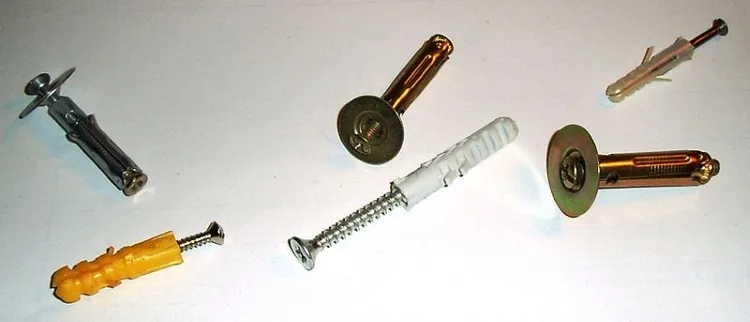
There are special cinder block plugs, but in most cases a universal plug will do the job. This is an all-round plug that is suitable for practically all construction materials. It spreads out on massive walls because the head of the plug is pushed back by the screw. In hollow construction materials such as cinder blocks, the plug forms a knot which will ensure that the screw cannot be pulled out of the wall. For extra stability you can choose longer plugs. Click here for a comprehensive overview of plugs.
What if the plug doesn’t stay in position?
If the plug, despite your professional drilling, loosens, then you can use chemical anchors to solve the issue. You can fill the hole with a special two-component paste using a kit pistol. Then push the plug into the hole and allow the paste to harden until it is fully settled.
Drilling through a coat of plaster
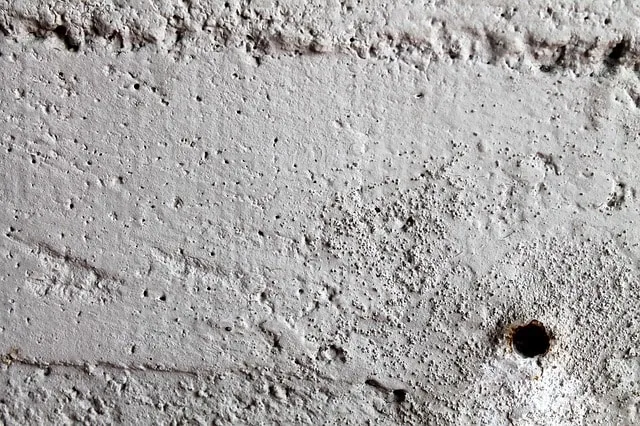
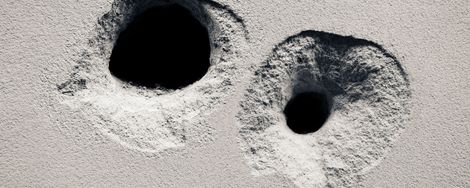
Cinder blocks are always finished-off with a coating. Thus, in fact, you are drilling through two different materials. Plaster can easily break when drilling, which results in a crater instead of a neat, perfectly fitted hole for the plug. A useful tip is to tape-off the spot you are about to drill with painter’s tape. Another possibility is to first make a small hole with a center punch. Make sure your drill is still sharp, because a blunt drill increases the chance of damage.
General tips for drilling through cinder block
- Work quietly, in a steady position, and hold the drill firmly without excessive pressure. As with any other job: allow the machine to do it’s work. Drilling in a straight angle and do not change direction while drilling.
- Drill exactly as deep as the length of the plug. If the hole is too shallow, the plug will stick out. And if it is too deep, then it will disappear into the wall. And of course you can check the plug and drill bit in advance to see if they have the same diameter.
Tip: Wrap a piece of tape – the length of the plug – around the drill bit. Then you can see exactly how deep you need to drill.
- If you need to drill a big hole, then you can pre-drill using a smaller drill bit and afterwards use a drill with the right diameter.
- Choose the correct drilling speed. You can use the following guideline: the harder the material, the lower the speed at which you need to drill.
- Only drill in places where you are sure there are no electricity, gas or water pipelines in the walls. If in doubt, use the pipeline search directive. It is best to completely avoid the area around power outlets.