Cleaning your facade from time to time is a rewarding job. The results are impressive when you clean the dirt on the outside walls of your home. Cleaning your facade really gives your house a fresh look. It’s not just simply a facelift (which can substantially increase the value of property!), as it is also good for the maintenance of your home. Depending on the type of deposits and the brick, dirt can lead to all sorts of harmful effects. For example, a dirty facade will retain moisture. Organisms that secrete acid and harm the bricks can thrive in these conditions.
Cleaning your facade: what can you do yourself and what not?
This question should perhaps rather be: When it comes to cleaning your facade, what do you want to do yourself? Cleaning the exterior walls of your home is a dirty job and it is also not without risk. Extremely aggressive products are used for the chemical cleaning of your facade. These products need to be handled and cleared carefully. Some municipalities require a permit of exemption to do sand blasting.
A professional facade cleaning company has all the legal requirements and usually delivers high-quality work. This, of course, comes with a price tag. In fact you can tackle all kinds of facade pollution yourself by buying or renting a sand blaster or pressure washer, or by using one of the milder chemical products that are on the market. Even household products could serve to remove certain types of deposits.
Step 1: determining the type of pollution
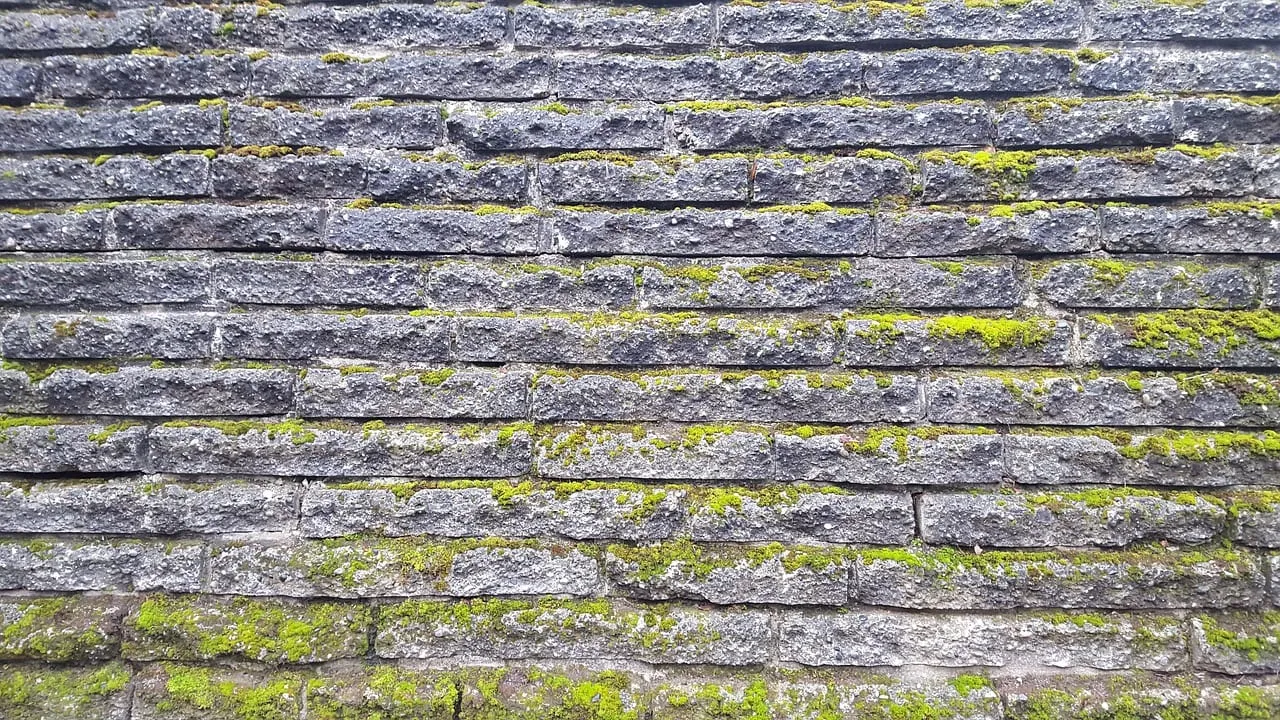
Green haze
A green haze on the facade is caused by algae growth. Steam cleaning your facade using a mild chemical product is a non-aggressive way to remove the green layers. Afterwards, the facade can be treated using a product that inhibits algae growth.
Moss
Moss grows especially in the joints between pavers. In this case steam cleaning or chemically cleaning your facade are also appropriate methods. Afterwards you need to do an extra treatment using a moss-killing product.
**
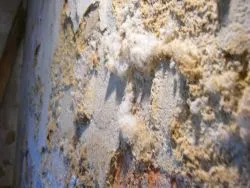
White deposits appear on the facade due to chemical processes in the bricks and the mortar. The deposits can be caused by lime, salt or saltpeter. The last two contaminants are harmful to the masonry and must not merely be addressed for a nicer view. The white deposits can be handled by cleaning it with a special chemical product or by sand or grit blasting.
**
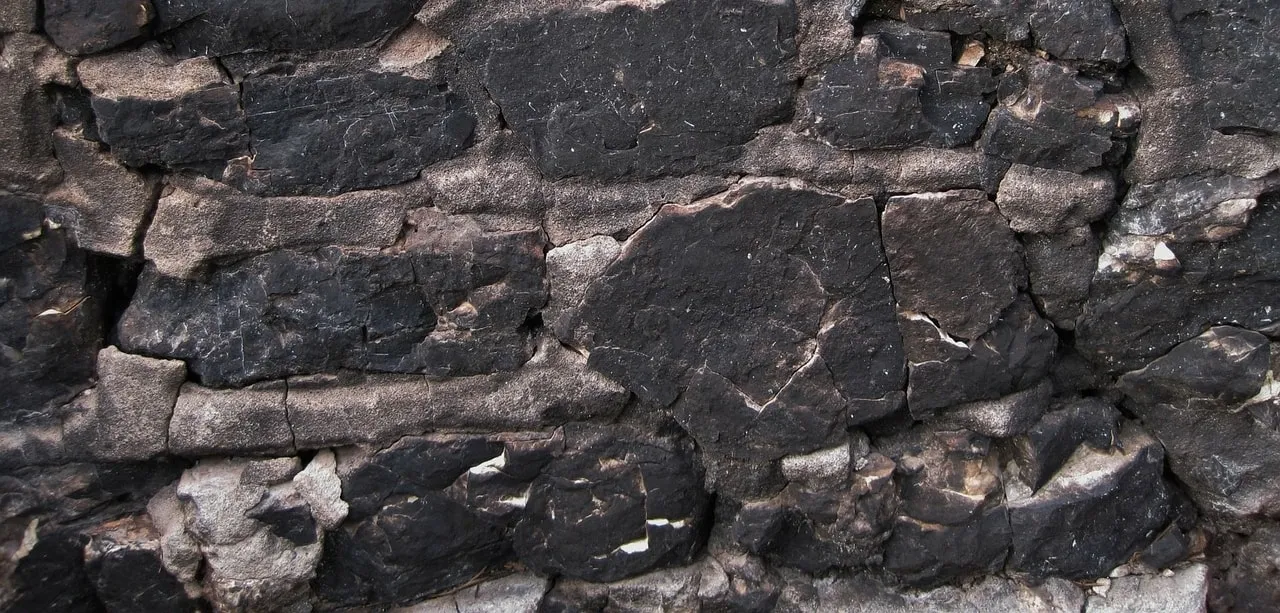
Soot particles from factories, chimneys and traffic can cause ugly black deposits on your facade. This deep-rooted dirt can best be dealt with using a specially designed chemical product.
**
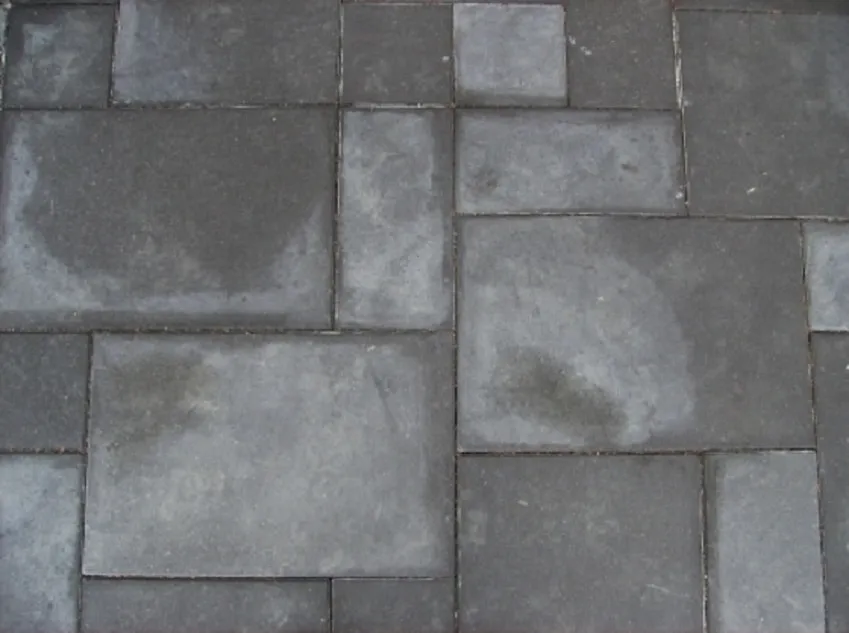
Grey deposits are often found on bricks which get exposed to lots of rain. That is the visible result of an oxidation process in the bricks. The only way to deal with the grey deposits properly is by sandblasting the facade.
Step 2: keep the type of stone and the finishing touch of the facade in mind
Not all cleaning methods are suitable for any surface. Concrete and brick can take a beating – through sand blasting, for example – but soft and porous materials such as sand-lime brick and stucco require a friendlier approach. In this case steam or a mild chemical product are the safest methods.
Step 3: cleaning your facade
When you have chosen your cleaning method, it is recommended to first practice on a part of the wall that is not so visible. For example, when cleaning with a pressure washer, you can test the result first using a little bit of pressure and then slowly increasing the strength if necessary. Allow it to rest for one day and then check to see if the result is satisfying before continuing.
Tips for the various cleaning methods:
-
- **Chemical cleaning
**
- **Chemical cleaning
You can use green layer remover to get rid of moss and algae, but you can also make your own mixture. Mixing some thick bleach or vinegar with water is perfectly suitable for less-persistent deposits.
Using a brush, you then scrub the product across the wall and allow it to soak in. Afterwards you need to spray the wall with a garden hose or a pressure washer.
Tip: Before you start, cover the plants and shrubs that grow on your wall.
-
- Cleaning your facade with a pressure washer
Deposits are removed by the powerful water jets of a pressure washer. It is an effective method to remove pollution on the surface, such as moss and algae. Please make sure you don’t damage the window frames. Also do not direct the pressure washer too close to the joints.
Tip: after you’re done cleaning, impregnate the facade with a water repellent to protect the stone and masonry against potential weather influences.
-
- Steam cleaning
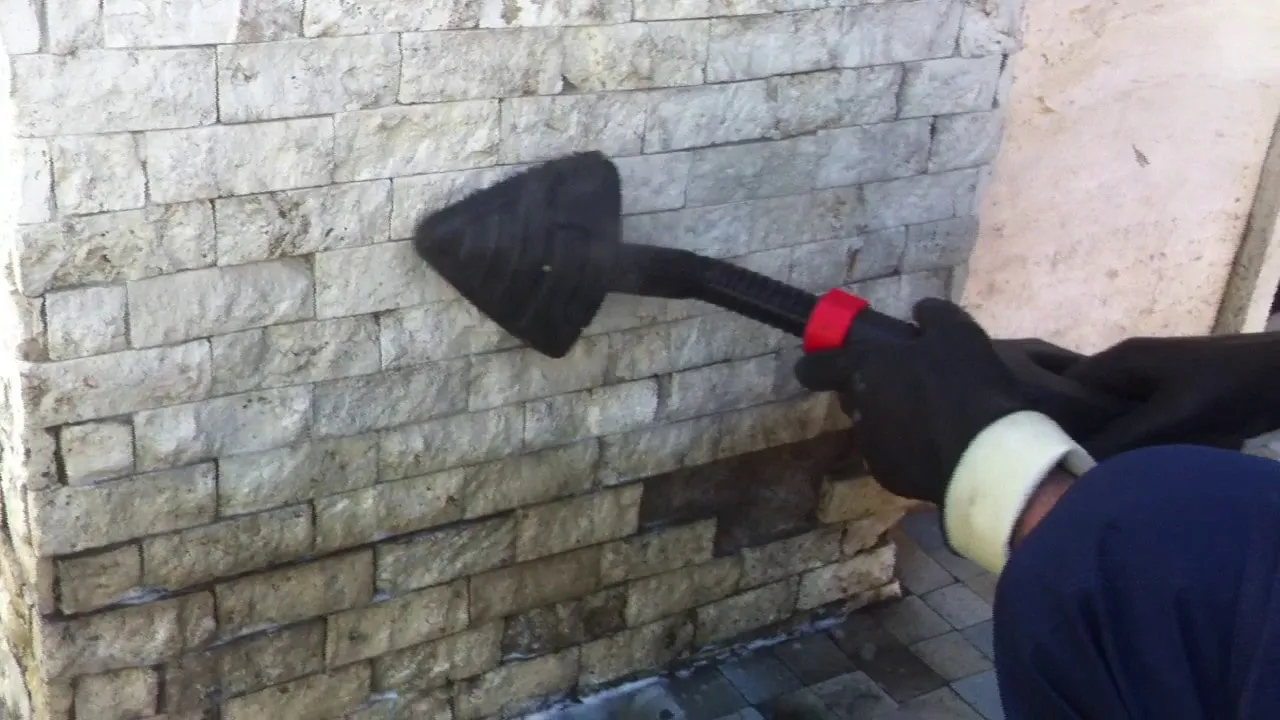
Steam cleaning is a friendlier alternative to high pressure cleaning. For this you use a high pressure washer in which the water is heated up to 140°C. The deposits loosen up due to the combination of heat and pressure. And this is without much risk of damage. Steam cleaning is recommended for limestone and natural stone facades and is usually used for vulnerable historic buildings.
-
- **Sand blasting
**
- **Sand blasting
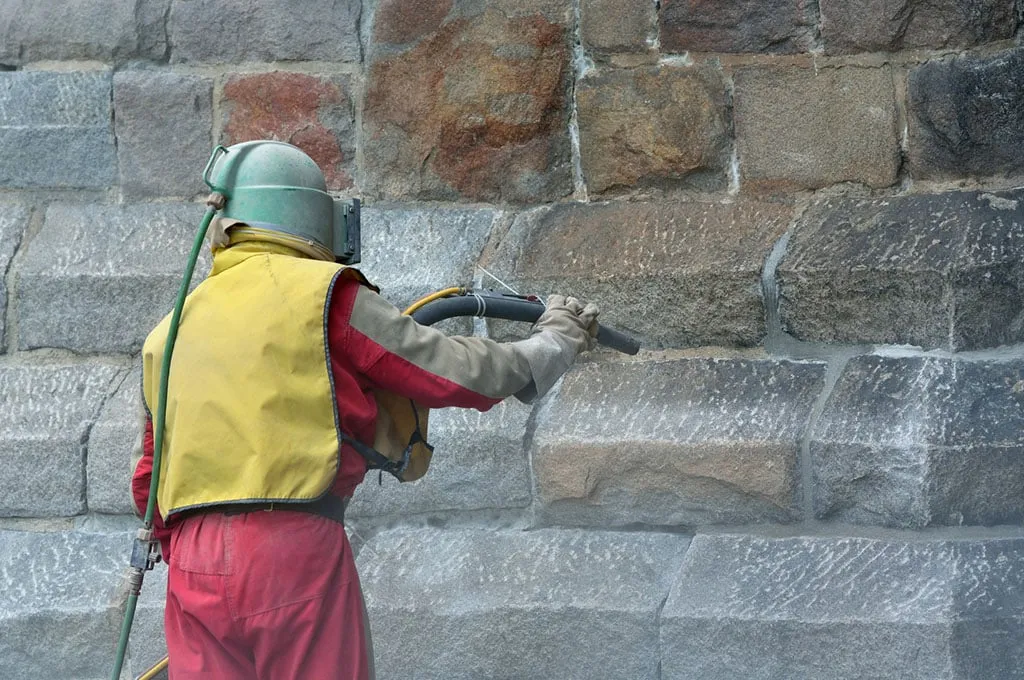
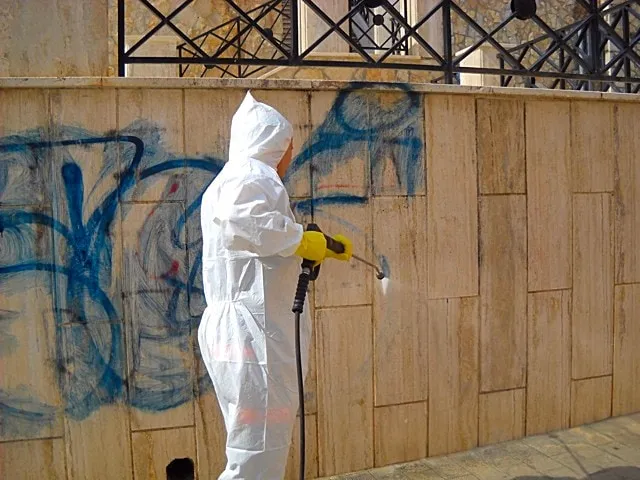
If nothing else helps, then sandblasting, or abrasive blasting, is the only way to clean your facade. This is an effective but aggressive method that is used only for deep-rooted and persistent pollution such as graffiti or thick, old plaque. The sand granules that are sprayed with immense power against the wall removes the pollution, but it can also damage the stones and joints. If you choose this method you will probably need to grout and impregnate the facade again. And even more so than the other solutions, it is important to protect yourself with safety glasses and a dust mask.
Cleaning bricks
The bricks of your terrace and driveway are affected by algae and moss, even more so than the facade. Read our article Clean your brick patio to learn more about how to quickly clean your bricks and to keep them clean.