- Using the wrong tools
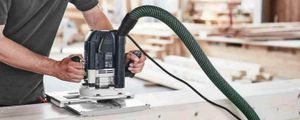
Many tools are designed for specific jobs and materials. Using them for other things may result in tool damage, poor performance, or personal injury. If a job requires special tools that you don’t want to buy, you can often rent them from a hardware store. If you are not sure which tools to use, ask an expert for advice, for example, via the chat on this website.
Wrong tools also include cheap hobby tools of lower quality. It doesn’t matter if you pull out the drill twice a year to hang a picture, but an efficient do-it-yourselfer will spend a little more for a professional brand machine.
- Wanting to do too much
Do-it-yourself projects often turn out to be more difficult and expensive than you thought. If you take on more than you can handle, you risk having a bad result or an unfinished project. Take the time to think about what you might encounter during the job and think carefully about whether you can handle it. In some cases, hiring a professional is ultimately cheaper.
- Not taking into account building regulations and permits
Home improvement projects are often subject to regulations that help ensure safety. Breaking through a load-bearing wall in your house, for example, is typically not allowed without a permit. Building regulations differ from municipality to municipality, but work that affects the house structure often requires a permit.
Check with your local council office to find out if you need a permit for your project and make sure your plans comply with local regulations — not just to avoid fines, but primarily for your safety and that of your family.
- Skip steps
Long after you forget a step or deliberately leave it out, it is usually too late to fix, and you’re left with a less than perfect result. An example is skipping the sanding of primer or varnish and immediately applying the next layer of paint. Any professional can tell you that light sanding ensures better adhesion and a smooth result. Thus, before you start, look for and follow instructions to get the job done professionally, even if it takes more time. In the Klium blog, you will find step-by-step plans for the most diverse DIY projects in the home and garden.
- Making measurement errors
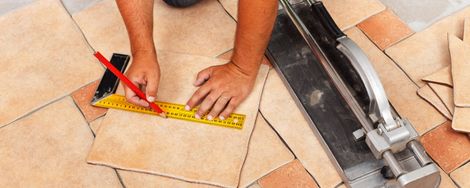
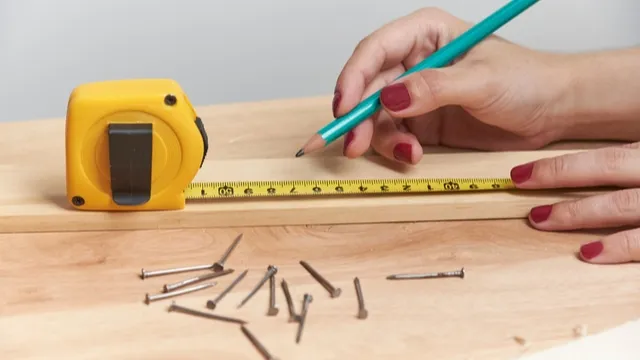
Measurement errors are probably the most common reason things go wrong on the job. Even a minor difference can mess up the whole project. Take the time to measure, mark and measure again. Use the same measuring tape or folding rule for the entire project and measure custom-made materials, as they can always differ slightly.
- Working too thoroughly

You may also want to do it too well, for example: working too hard on an unnecessarily heavy construction for a cupboard or other piece of furniture. Or you feel like insulating your home so thoroughly that the air can’t circulate, resulting in condensation, mould, and fungus. Excessive thoroughness is often a result of uncertainty. Here the following applies: be well informed about what is needed for a certain project before starting.
- Neglecting safety

For a professional who works with powerful power tools day in and day out, personal protection is second nature. It is precisely do-it-yourselfers who often end up in the emergency room with injuries caused by machines or, for example, the fall from a ladder.
A few tips for working safely
- Read the manual before working with a new tool and follow the safety instructions.
- Only use tools in good condition, not a dull saw, a worn drill or a creaky ladder.
- Work concentrated, without clutter or children around.
- Protect yourself with the means the job calls for, such as safety glasses, work gloves, hearing protection, a dust mask and safety shoe